

Can an auto locksmith make a car key without the original? Often, yes, where the provider supports the exact vehicle and key system. Losing every working key does not automatically mean replacing all the locks or the vehicle’s electronics. The provider must first confirm a supported route, verify your authority over the car and establish what access, cutting and programming are required.
There are important limits. A VIN alone is not a universal recipe for a working key, and a locksmith’s equipment may not cover every model or security generation. A car key without the original is an all-keys-lost enquiry, rather than an ordinary duplication job. Tell the provider that clearly before booking or buying any replacement parts.

What making a car key without the original actually means
With duplication, a working key is available to examine or copy through a supported process. With all keys lost, that starting point is absent. The provider needs another appropriate route to identify and supply the correct mechanical and electronic components for the vehicle. The route depends on the car and the provider’s supported capabilities; owners do not need to attempt the security procedure themselves.
A replacement key can have several jobs. A blade may operate a mechanical door or ignition lock, a transponder may provide starting authorisation and a remote may operate central locking. A keyless fob may support additional functions on an appropriately equipped car. Ask which functions the proposed replacement includes rather than judging the job only by whether a new blade opens the door.
The Auto Locksmith Association’s lost-key guidance explains that specialist locksmiths can often replace missing vehicle keys and that the security implications of a lost key need consideration. This does not establish support for your individual vehicle. Ask the provider to check the model, year and circumstances before arranging attendance.
First distinguish all keys lost from a lockout or a fault
If a key is locked inside the vehicle, entry may be the immediate need. Tell the provider where you think it is and whether a spare is available. Do not order a complete replacement before clarifying whether the original can be recovered. A key trapped in a boot, left at a venue or held by a family member can lead to a different practical plan.
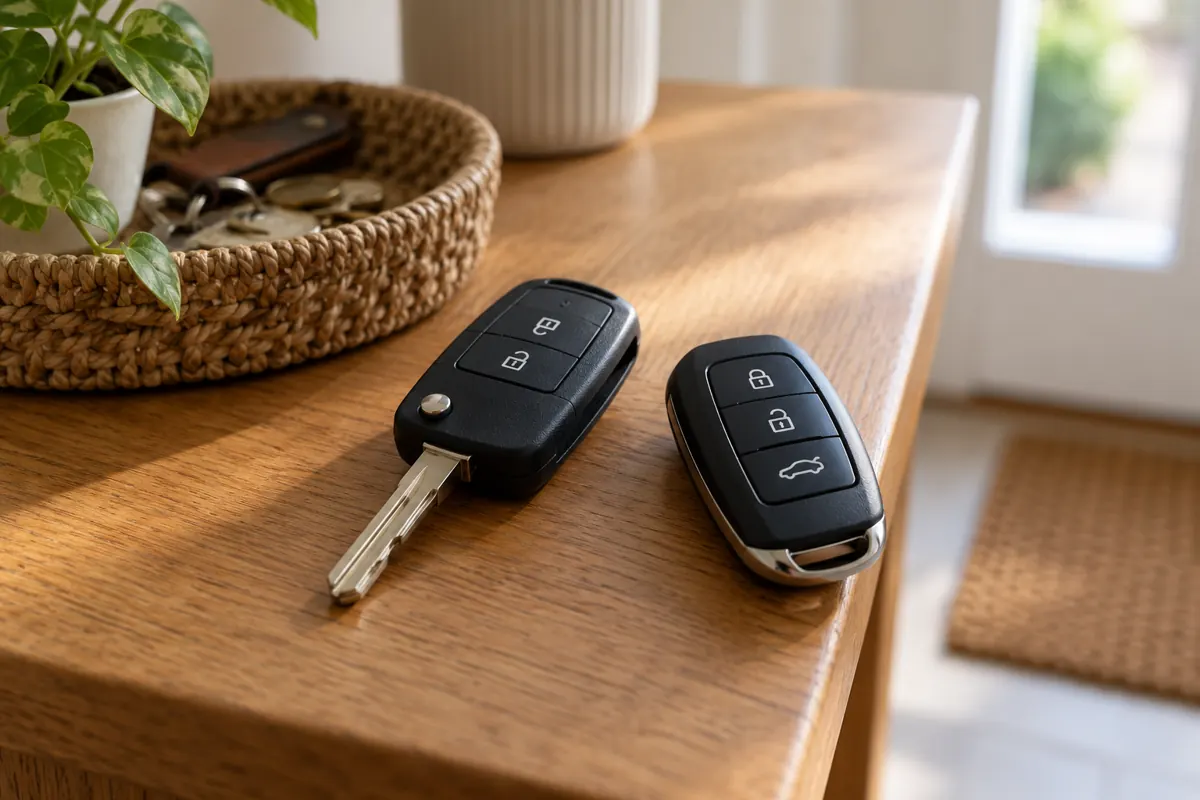
If you have a key but the remote does not work, this is not necessarily an all-keys-lost situation. Check whether it can start the car and whether another key works. A battery, case or remote fault may need repair rather than a new electronic key. Our car key repair information helps you describe that enquiry separately.
If no working key can be found after a sensible search, say so directly. Check pockets, bags and the places you last used the vehicle, and contact relevant lost-property desks. Avoid delaying an urgent security response if the keys may have been stolen or identify the parked car. The search and the security decision should be proportionate to the circumstances.
Give the provider enough information to confirm support
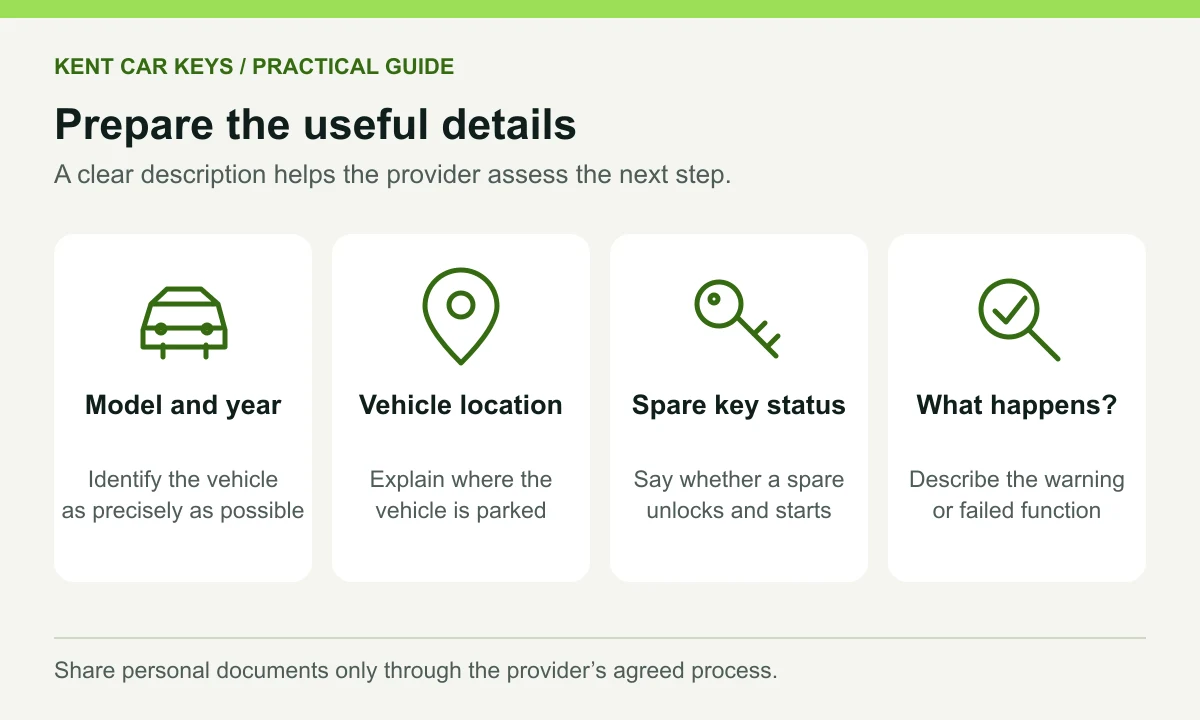
Start with the make, model, registration year and registration number. Explain whether the car uses a physical ignition key or a start button, and whether it is locked. The same model name can cover different systems across production years and equipment levels. A provider may request the VIN or additional details privately before confirming a route for a key without the original.
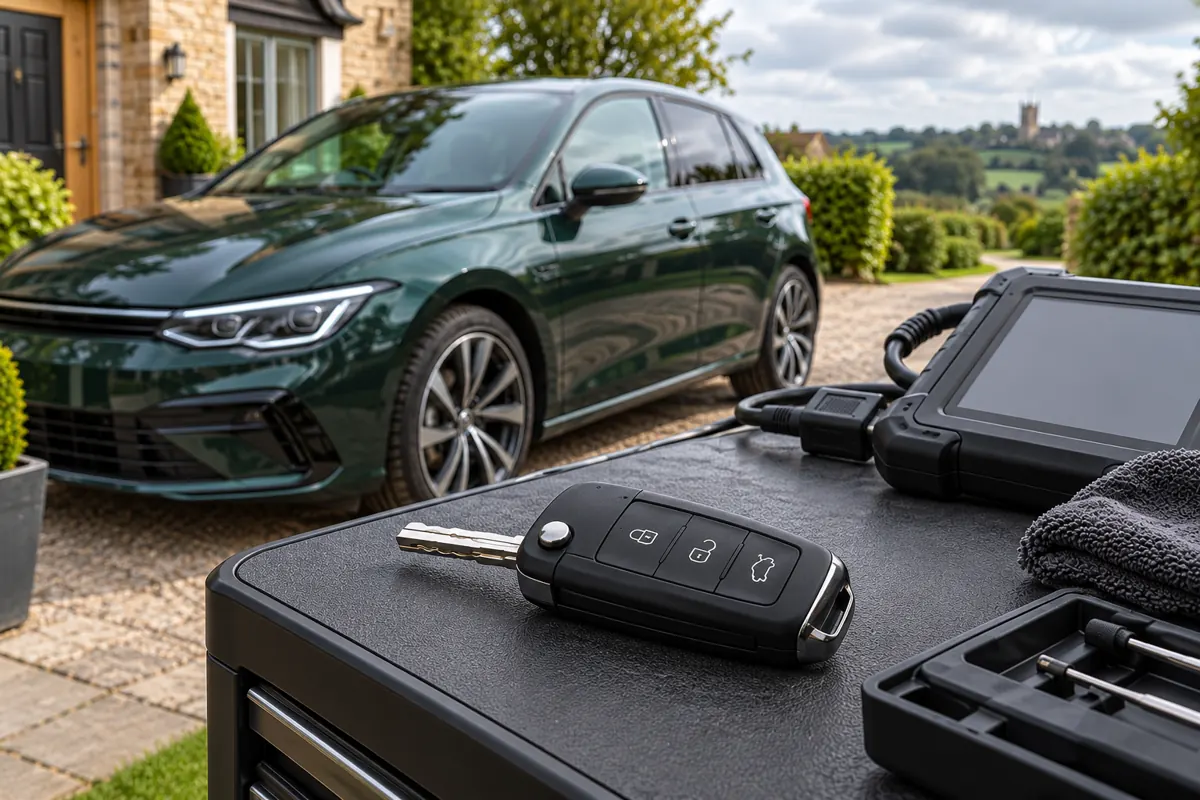
Mention any surviving item, even if it is not a working key. A broken blade, old key label, spare remote or previous invoice may be relevant. Describe what you have rather than assuming it will solve the job. Do not try to assemble a working key from unrelated parts or transfer components between cases before someone qualified has assessed them.
Explain the vehicle’s condition. Has it been unused for a long time, is the battery known to be flat, or were there starting problems before the keys disappeared? All keys lost can coexist with another fault. Accurate information helps the provider explain whether the quote covers only the replacement or whether separate vehicle diagnosis may be necessary.
Expect identification and authority checks
A responsible replacement process includes checking that the person requesting a key is entitled to do so. Ask the provider what documents it needs before you travel or arrange a visit. Have identification and relevant vehicle paperwork available. A company car, lease vehicle or recent purchase may need additional authorisation, so explain that arrangement at the outset.
The V5C identifies the registered keeper; it is not, by itself, proof of ownership. The police explanation of registration documents and ownership makes that distinction. The provider may ask for purchase or finance documents, or authority from the owner, alongside the information that identifies the vehicle.
If the documents are locked inside the car, say so before attendance. If the log book is missing or has not arrived, ask what alternative evidence can be accepted. Do not assume that an inability to produce one document means no enquiry can proceed, but do not expect verification to be skipped. Keep identification and key-security information out of public posts and messages to unknown contacts.
Mechanical cutting and electronic programming are separate
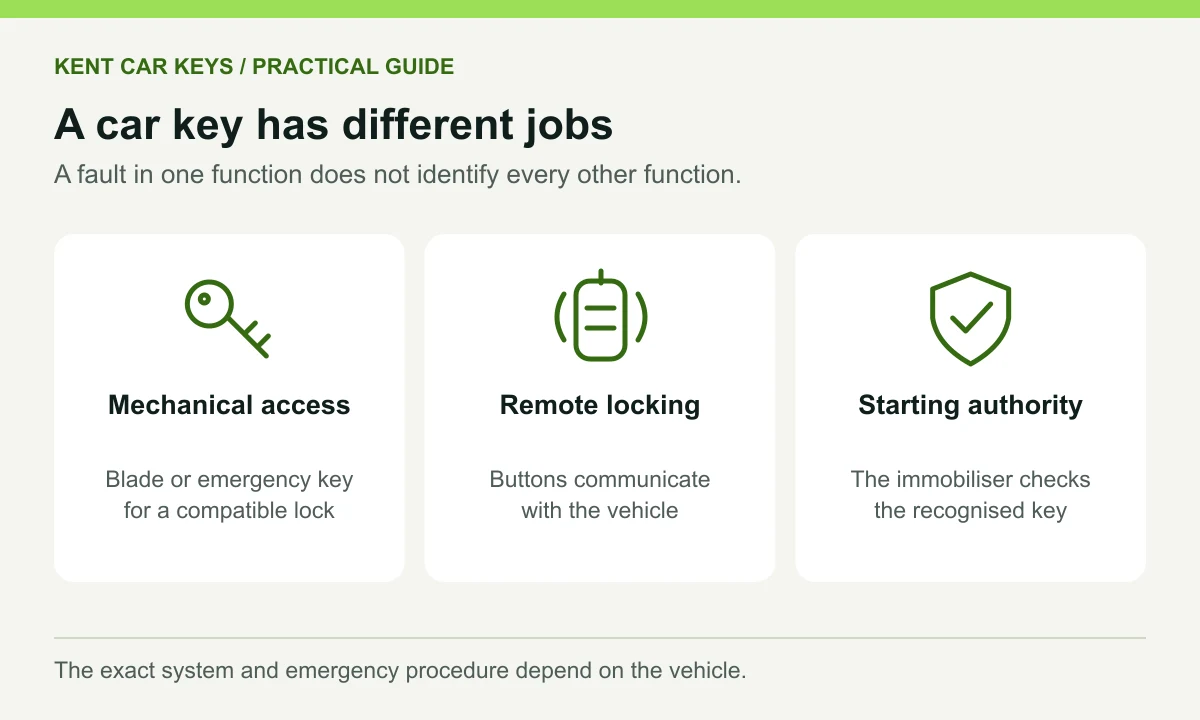
A metal key can operate a lock only when it is suitable and correctly cut. That is distinct from the electronic authorisation required on many vehicles to start the engine. A remote can also have functions that are separate from the immobiliser. A complete car key without the original may therefore require more than one component or procedure.
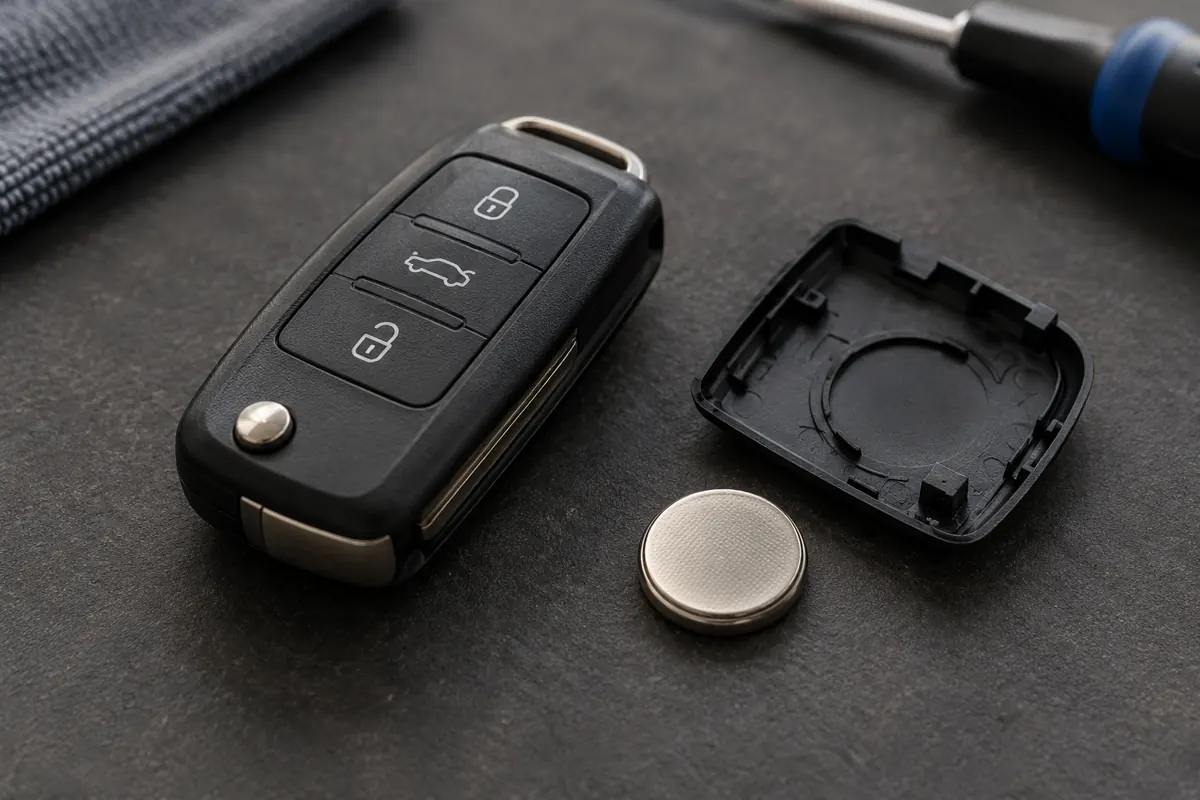
Ask the provider to explain the result being offered in plain language. Is the quote for a blade, a starting key, a remote or a full keyless fob? Are cutting, programming and testing included? If you are offered a basic spare without remote buttons, understand what it will and will not do in everyday use before accepting the product.
Do not assume a sequence of button presses from an online video can authorise a new transponder. Owner remote synchronisation, battery replacement and adding a new electronic key are different operations. Some vehicles have specific owner procedures under defined conditions, but a method for one car is not a universal route for all keys lost.
Why a VIN or online fob is not enough on its own
The VIN helps identify a vehicle, but it does not bypass compatibility checks, document verification or the supported security process. A provider may use it as part of an enquiry and still need to inspect the car or confirm additional details. Be cautious of anyone promising a fully working key for every vehicle using only a public registration number.
A replacement case can look complete while containing no electronic components. A used remote may have limitations that prevent reuse for your vehicle. Matching the number of buttons or the shape of the blade does not establish a match. Ask the intended provider before buying a part, especially if you need a car key without the original and have no reliable example to compare.
If you have already bought something, disclose it before booking. Some providers do not accept customer-supplied keys, while others may charge for assessment without promising the part can be used. Clarify that distinction. A fee to attempt programming is not the same as a quote for a compatible, supplied and tested replacement.
Compare a dealer with a supported auto locksmith
A manufacturer’s dealer can explain its ordering and appointment route. An auto locksmith can explain whether it supports the exact vehicle and whether it can attend where the car is parked. Ask both about the same all-keys-lost circumstances. A spare-key advertisement cannot be compared directly with a job that also requires entry and replacement electronic authorisation.
Neither route is automatically cheapest, quickest or suitable for every car. Parts availability, vehicle condition, access and security requirements all matter. Ask for an actual quote and practical arrangements. If recovery is needed, confirm the destination and whether the provider can proceed once the car arrives before arranging transport.
Ford provides a useful manufacturer example in its official replacement-key guidance, which describes identity checks and the possibility of dealer recovery. That is Ford’s route, not a promise that every brand or locksmith follows the same process. Ask about the route appropriate to your own car.
Agree a complete quote for a key without the original
A useful quote states what is included: attendance, entry if needed, compatible parts, blade cutting where relevant, programming and testing. Ask about VAT where applicable and whether recovery or diagnosis is extra. A low starting price for one part is not a complete quotation for every aspect of an all-keys-lost job.
Ask what happens if an additional fault is discovered. A flat vehicle battery, damaged lock or existing electrical problem can affect the work. Agree that any revised scope and cost will be explained before further work is carried out. Keep a written description of the agreed service and the provider’s contact information.
Times should distinguish the appointment from the actual work. Ordering a part, travelling to the vehicle and resolving another fault are not the same as the time needed to cut or programme a key. Avoid arranging essential travel around an unsupported promise. Confirm the practical plan for the particular vehicle and location.
Explain access restrictions before attendance
Tell the provider whether the car is in an underground or height-restricted car park, behind a locked gate, in a paid parking area or tightly parked beside another vehicle. Confirm permission to work at the site and who can provide access. These details can affect a mobile visit or recovery even when the key system itself is supported.
Give the precise location privately to the chosen provider and agree who must be present with identification. If you cannot stay with the vehicle, ask how handover can be arranged securely. Do not leave documents or loose replacement parts in an unattended car as an improvised collection method.
If the vehicle is in a dangerous position, use the appropriate roadside assistance route. A routine key enquiry should not lead you to stand in traffic or attempt an unsafe move. If a person is trapped and at immediate risk, contact the emergency services and follow their instructions rather than waiting for an ordinary appointment.
Consider the security of the missing original
Ask what happens to the missing key’s electronic authorisation when a replacement is made. Adding a new key does not necessarily mean every old key has been removed. Explain whether a set may have been stolen or carried information identifying the vehicle or your address. The security response may need more consideration than simply restoring starting.
Electronic removal does not necessarily stop a blade operating a mechanical lock. Ask whether lock work or other measures should be considered for your situation, and follow any relevant insurer instructions. Do not assume that a car starting with a new key proves the missing original can no longer provide access.
Keep the vehicle secure while the issue is resolved and avoid leaving documents or valuables inside. A practical plan should cover the car’s security during the wait as well as the replacement appointment. Report suspected theft through the appropriate police route rather than treating every missing set as a routine lost-property matter.
Test the replacement and every retained key
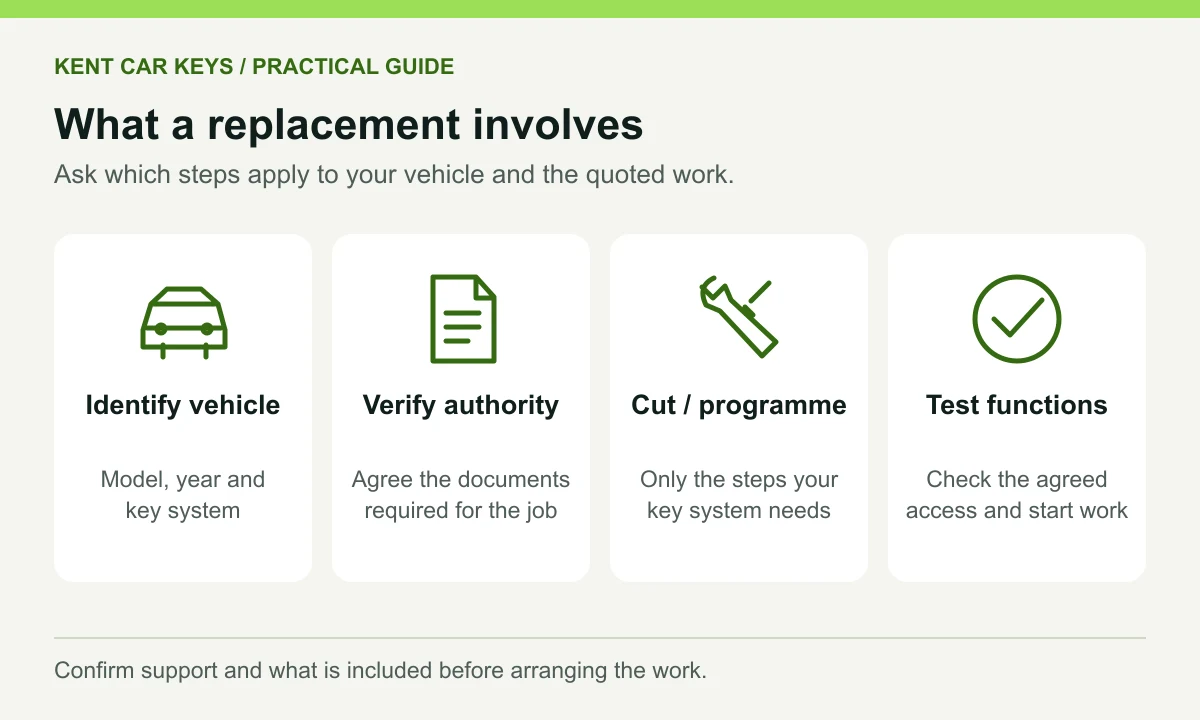
Before relying on the vehicle, ask the provider to demonstrate the agreed functions. Check mechanical operation where applicable, remote locking and unlocking, starting and any supported keyless features. Keep other keys away during the test so the vehicle is detecting the intended replacement. Ask about any warning that remains.
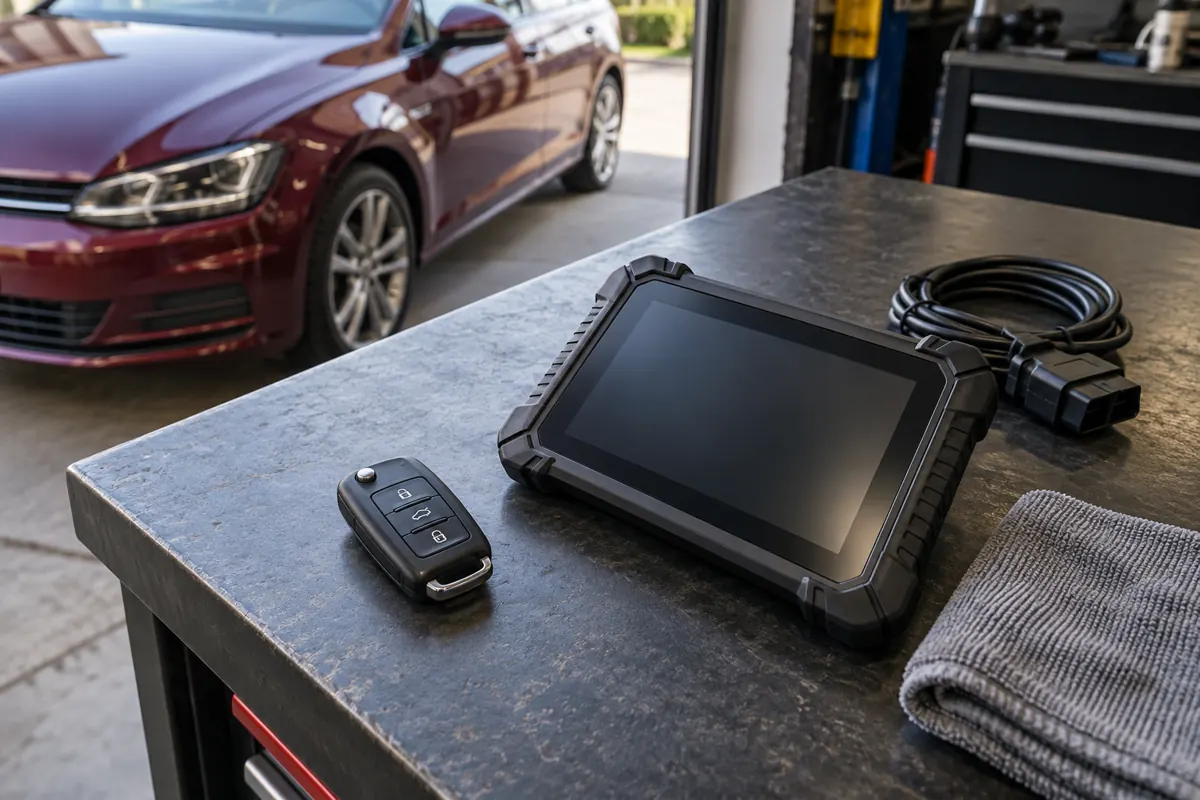
If you later find the original, contact the provider before treating it as a spare. Its electronic status may have changed during the all-keys-lost work. A blade opening the door does not prove the key will start the engine. Keep the invoice, parts details and warranty information so you can explain the work if another problem occurs.
After resolving the immediate loss, consider a tested spare stored separately. Our spare car key information explains how to enquire. A useful backup should be accessible when needed and should not travel on the same ring as the main set.
A new purchase with no working key needs careful preparation
A vehicle bought without a working key may have a different history from a car whose only key was misplaced yesterday. Tell the provider how the vehicle was acquired, what paperwork is available and whether it has ever started in your possession. Explain known damage, previous repairs or security changes without assuming that a new key will resolve every issue.
A car key without the original may be technically supported while the vehicle still needs additional assessment. Ask whether the quote covers only the key service and what happens if it does not start afterwards. Do not accept an unexplained promise that a replacement will make an unknown-condition car roadworthy.
Keep transport and storage arrangements separate from the key job. A provider may need to inspect the car or confirm access before agreeing to work on it. Give accurate information early so a visit is not booked around assumptions about its condition or your authority to request a key.
Keep an all-keys-lost handover record
After the work, write down the number of keys supplied and which functions were demonstrated for each. Keep this with the invoice and any security advice, rather than attaching identifying information to the key ring. If a basic starting key and a full remote have different functions, make sure other drivers understand the difference.
Ask what has been done about the missing original’s electronic status and record the explanation. If further lock work was discussed but not included, keep that distinction clear. A completed replacement without an original should not be described as a complete security overhaul unless that work was actually agreed and carried out.
If another problem develops later, the record helps you describe it accurately. Explain whether the replacement ever worked correctly, which functions now fail and whether anything changed in the meantime. That is a more useful starting point than assuming every later vehicle fault is caused by the key service.
Avoid unnecessary experiments while no working key remains
Do not force entry or put improvised tools into locks while waiting for a supported appointment. Avoid buying unfamiliar programming devices or running security procedures found for a different vehicle. Such attempts can create extra damage or uncertainty and make the original all-keys-lost job more complicated to assess.
Keep any broken parts or old labels safely and tell the provider what has already been attempted. A clear history helps it identify the appropriate route without repeating uncertain work. The owner’s role is to establish the circumstances, authority and required result; the supported technical process belongs with the provider doing the job.
Ask about a car key without the original in Kent
Use our lost car key service information and state that no working key remains. Give Kent Car Keys the vehicle details, location and access situation so support and availability can be checked. Do not assume that one completed job for a similar model establishes compatibility for yours.
Can an auto locksmith make a car key without the original? The practical answer is often yes for supported vehicles, with the right verification, parts and process. Your next step is a specific enquiry and a complete quote, followed by testing the agreed result. That is more useful than a universal promise based only on the appearance of a key or the name of a model.