
This Vauxhall Astra hatchback guide starts with the car in front of you: identify its generation, engine, gearbox and service record before judging an advert. The Astra name covers very different vehicles, so a specification or reliability claim for one version should not be applied to every used Astra. Compare the exact hatchback with your journeys, passengers and parking space.
For many buyers the useful questions are practical. Can everyone sit comfortably? Does the boot take the things you carry? Is there a documented maintenance plan, a working spare key and a clear explanation of any warning light? This guide helps you build a shortlist and conduct a viewing; it does not rank every engine or guarantee that an individual car is sound.
Start this Vauxhall Astra hatchback guide with the generation
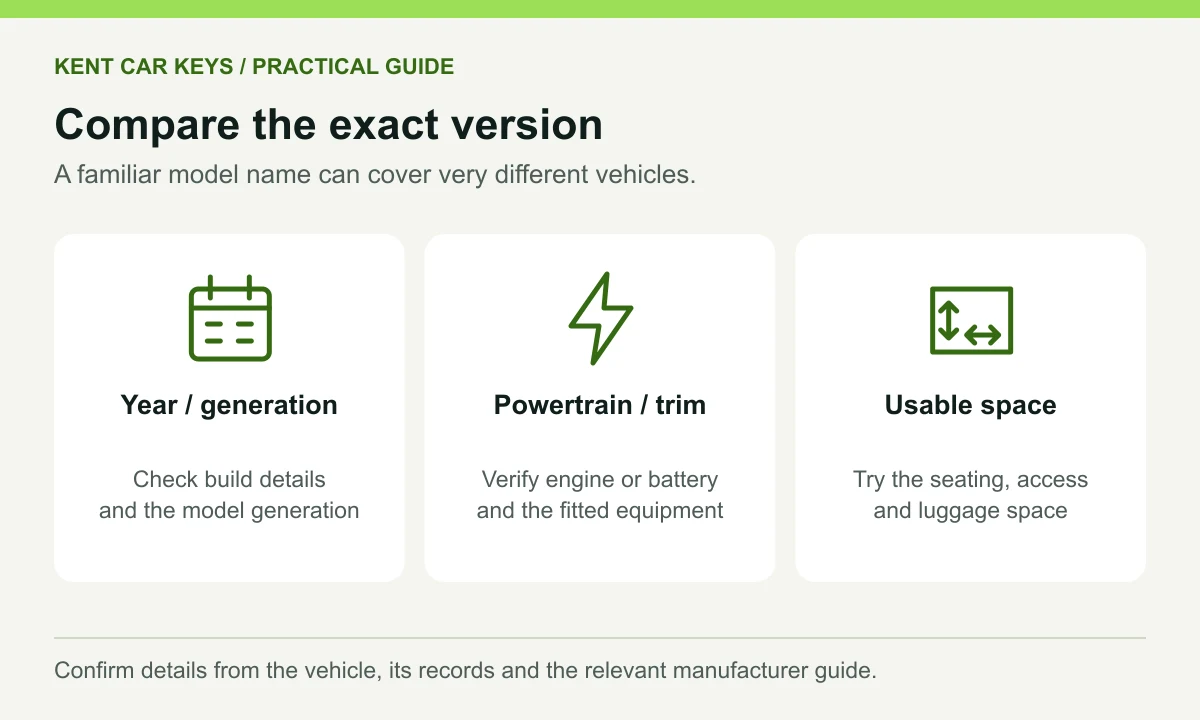
An Astra hatchback advertised by registration year alone can be hard to compare with another listing. Ask for the generation or model designation, the engine details and the production specification. A year can include outgoing stock and a newer model, and a trim name can change its equipment between model years. Record the registration and VIN privately when checking the vehicle.
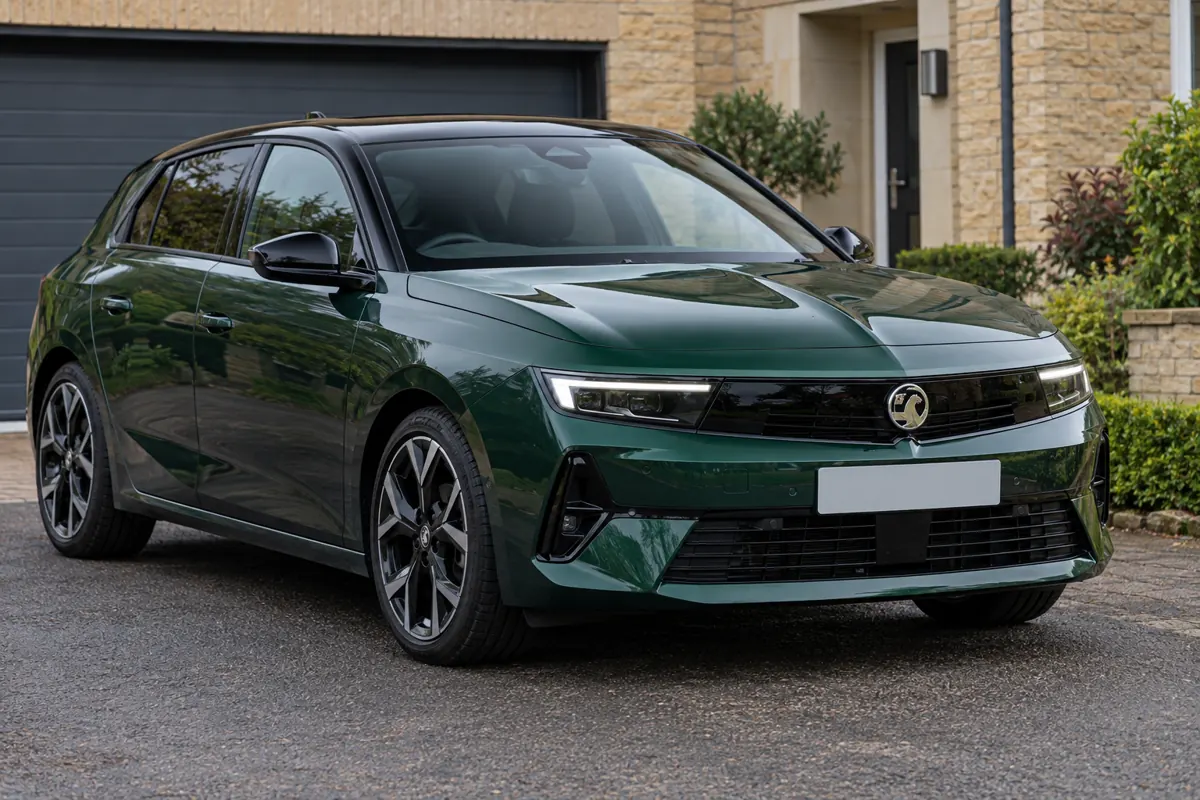
The Sports Tourer is the estate version, so keep it separate from the hatchback when comparing dimensions, boot capacity and prices. An advert for an Astra Electric also needs its own battery and charging specification. Do not assume that equipment shown in a current brochure belongs on an older petrol or diesel hatchback with the same badge.
Use Vauxhall’s official owners’ manuals to find the instructions for the relevant model and date. A handbook is useful for controls, maintenance and key procedures, but it is not evidence that a particular optional feature was fitted. Ask the seller to demonstrate the equipment on the actual car.
Choose an Astra hatchback for your real journeys
Write down your normal week before choosing a powertrain. Include short local journeys, longer motorway trips, annual mileage and any regular load. A car bought for an occasional holiday may be inconvenient for the school run or daily parking space. Give the journeys you do most often the greatest weight when assessing size, seating and running costs.
A petrol, diesel, hybrid or electric Astra needs to be considered on its own terms. Do not assume that a diesel is automatically the cheapest option or that a plug-in hybrid will save fuel without regular charging. Ask a qualified workshop about suitability and maintenance for the specific engine and your use, especially when your journeys are mostly short.
For an Astra Electric, work out where charging would happen during an ordinary week and a disrupted one. Consider home parking permission, cable access and the public sites you would actually use. Compare the vehicle’s documented battery condition and charging capability, rather than choosing solely by a range figure quoted for a different version.
Check the Astra hatchback cabin before comparing trim badges
Sit in the car with the driving seat adjusted as you would use it. Check the steering-wheel adjustment, view over your shoulder, mirror coverage and reach to the main controls. Then sit behind that driving position. A short showroom visit with the seat pushed forward will not tell you how the rear cabin works for your household.
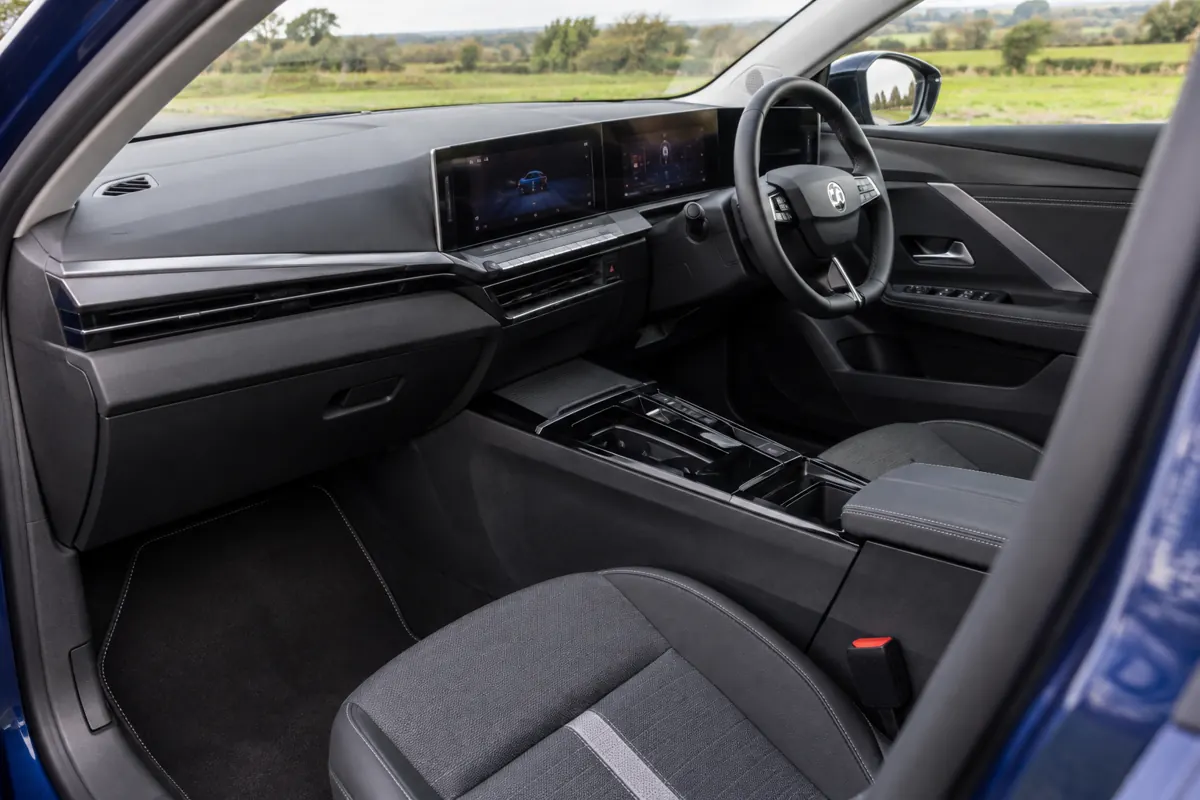
Bring the items that matter if the seller agrees: a folded buggy, walking aid, work bag or child seat. Check access through the rear doors and the effort needed to lift items over the boot opening. An Astra hatchback that looks roomy in a photograph may still have an awkward loading shape for your particular equipment.
Test the features you intend to pay for. Check air conditioning, window switches, demisting, lights, parking aids and phone connection where fitted. Use the correct cable or connection method before deciding that an infotainment function has failed. Record faults and ask for a repair explanation; do not let a trim badge stand in for a demonstration.
Read a used Vauxhall Astra service record critically
Look for dated servicing and supporting invoices, not just a statement that the car has been maintained. Match the engine and maintenance requirements to the relevant handbook or manufacturer guidance. Ask who completed the work and whether any scheduled items are approaching. A stamped book without detail may leave important questions unresolved.
For a used Vauxhall Astra, mileage is one part of the picture rather than a verdict. A lower-mileage example can still need age-related work, tyres or a service. A higher-mileage car may have useful records but also more wear. Compare condition, documented work and likely upcoming costs together instead of applying an arbitrary mileage cut-off.
Use the official MOT history service to compare recorded mileage, test results and advisories with the seller’s explanation. Repeated advisories deserve questions about what was repaired and when. An MOT result is not a substitute for a mechanical inspection or proof that every component will remain reliable.
Inspect the body, tyres and boot of an Astra hatchback
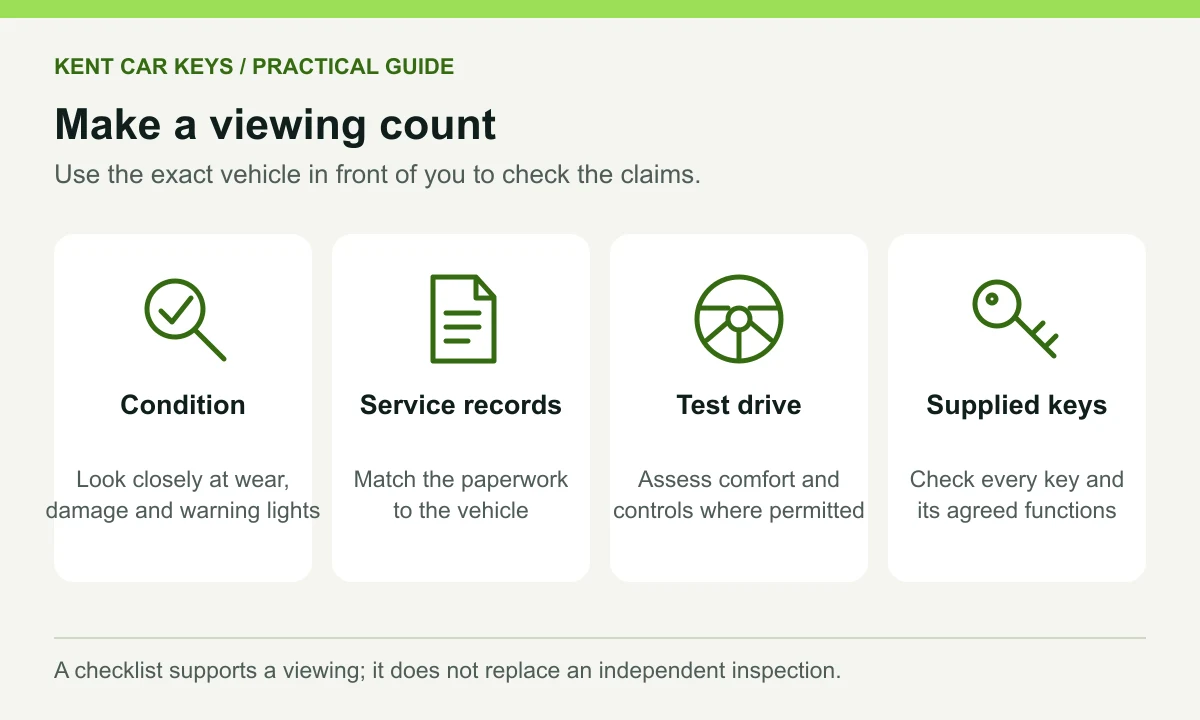
View the car in daylight where possible and allow enough time to look around it. Check panel gaps, paint differences, wheel condition and visible damage. Ask about repairs rather than trying to diagnose structural history from a photograph. If the explanation is unclear or the damage looks significant, use a suitably qualified independent inspector.
Inspect tyre condition and ask about uneven wear. Confirm that the fitted sizes are appropriate for the vehicle and that any tyre warning has been addressed properly. A seller saying that a sensor “just needs resetting” is not the same as evidence that the underlying issue has been checked. Include replacement tyres in the viewing notes if needed.
Open the boot and check the floor, seals, rear-seat releases and load cover. Look for moisture or damage without dismantling trim. Check which puncture equipment is supplied and whether it is usable. In an Astra Electric, also confirm the charging accessories included in the sale rather than assuming the photograph shows everything you will receive.
Plan a meaningful Astra hatchback test drive
Arrange the test drive with appropriate insurance and the seller’s permission. Ask to see the vehicle started from cold if practical, and pay attention to warning lights before and after starting. Do not clear a warning or accept that it is harmless without an explanation supported by diagnosis. Stop the drive if anything feels unsafe.
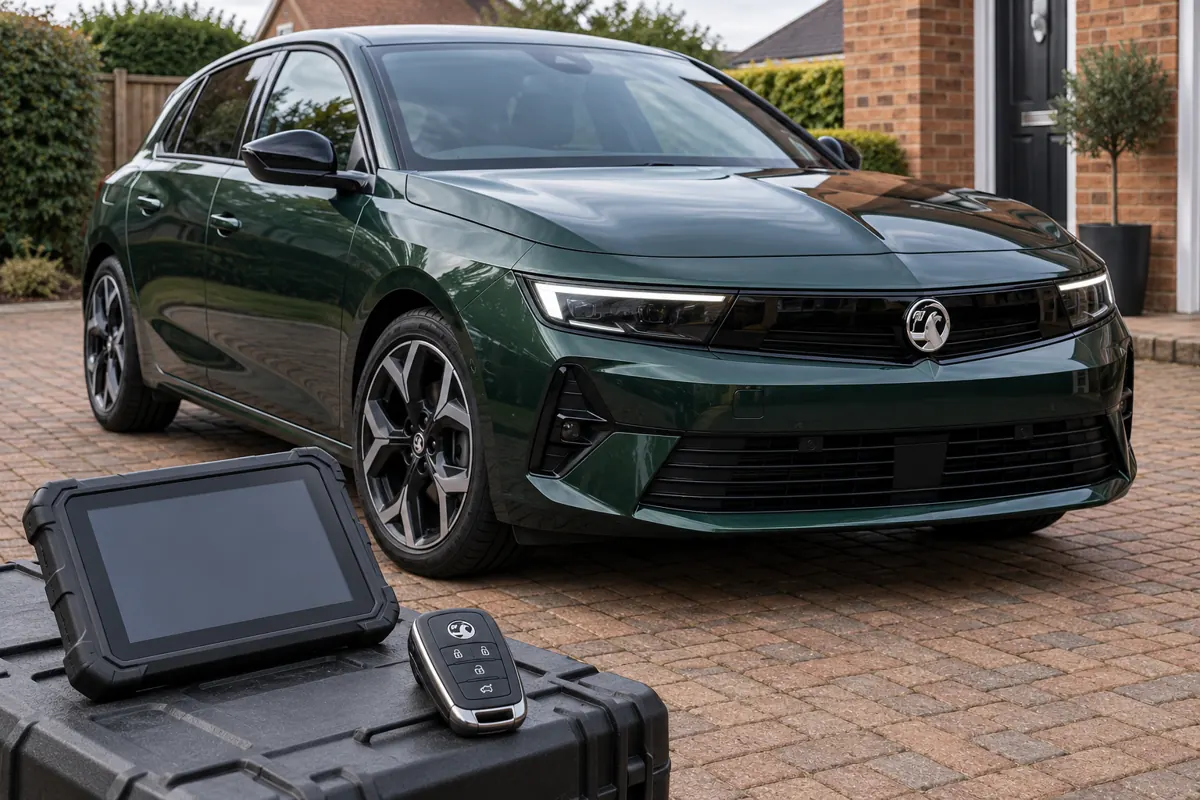
Use a suitable route with a mix of ordinary conditions, rather than only a quick loop at low speed. Notice steering, braking, gear changes and unusual noises. Test visibility and manoeuvring in a safe place. You are gathering observations, not proving that a particular component is defective; describe what you notice to the seller or inspector.
Comfort is personal. Spend enough time in the seat to judge support and control position, and check how the car feels on the road surfaces you use. A used Vauxhall Astra on different wheels or tyres can feel different from another example. Compare the actual vehicles, not an assumption that every trim rides the same way.
Compare the full cost of a used Vauxhall Astra
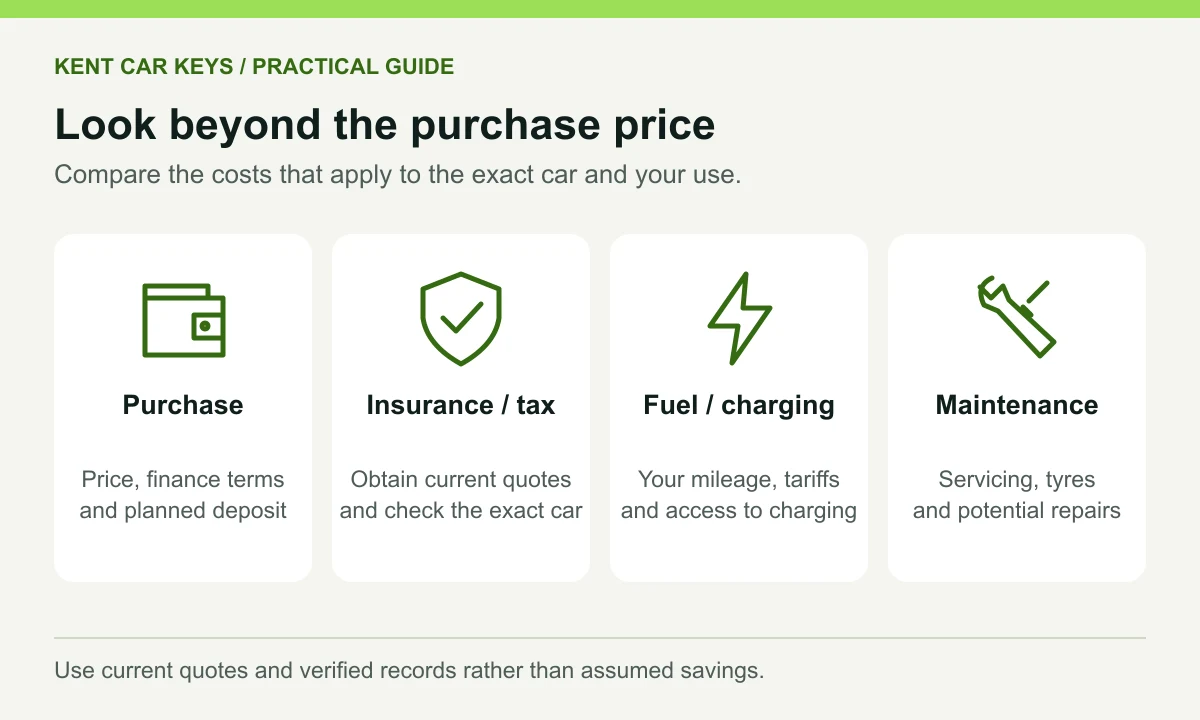
Set aside a budget for the purchase and for the first period of ownership. Obtain an insurance quote for the exact registration, establish tax treatment and ask about servicing, tyres and any work due. A cheaper advertised car may be less suitable if important maintenance is undocumented or a fault needs investigation immediately.
If comparing finance, read the total amount payable, term, deposit and conditions rather than the monthly figure alone. An illustration for a new vehicle may not apply to a used Vauxhall Astra, and optional final payments or mileage limits can change the comparison. Ask the finance provider to explain any term you do not understand before agreeing.
Compare similar generations, engines, mileage, condition and seller types. A private advert, a retailer car and a vehicle with an inspection or warranty are different propositions. Ask exactly what any warranty covers, its exclusions and the claim process. Do not assume that a high trim level or attractive wheels will protect future resale value.
Check Astra keys and security at the viewing
Ask how many working keys are included and test each one with the seller. Check remote locking, unlocking and starting separately, following the vehicle handbook. A spare that opens a door but cannot start the vehicle is not equivalent to a fully functioning spare. Record any missing or damaged key in the sale discussions.
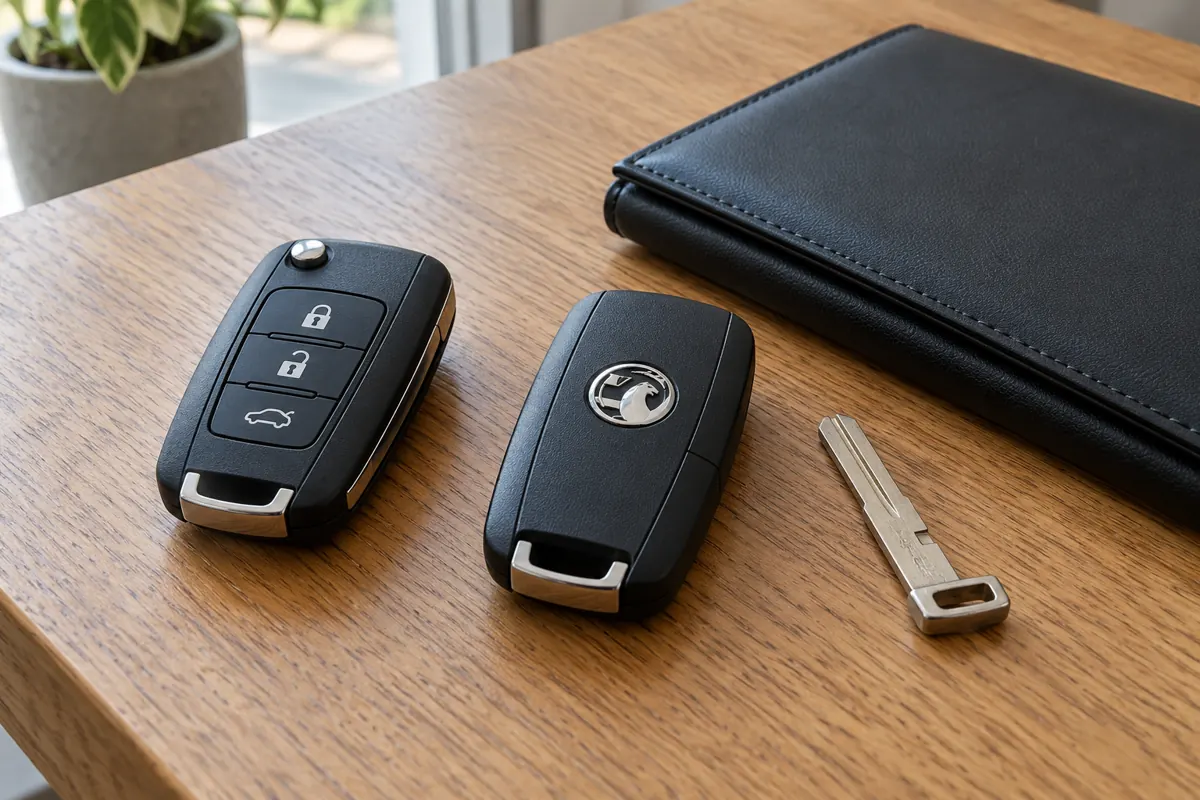
For a used Vauxhall Astra with a split case, worn blade or intermittent buttons, ask whether the seller has had it assessed. A new plastic shell does not automatically mean the electronics or transponder have been replaced. Do not accept a generic fob bought online as proof that it can be programmed to this exact vehicle.
Our Vauxhall Astra key replacement page explains how to make a vehicle-specific enquiry. Give the year, location and whether a working key remains, then ask about compatibility and availability. Kent Car Keys is an auto locksmith service; this buyer guide is not a mechanical inspection or an endorsement of a car for sale.
Decide whether the Astra hatchback is the right size
An Astra hatchback and an estate solve different loading problems. Before moving to a larger model, test the hatchback with the seats in the positions you will actually use. Folding rear seats may increase flexibility, but that extra space is unavailable when passengers occupy those seats. Measure the usable opening as well as reading a capacity figure.
Consider your parking situation at home and work. Check the width needed to open doors, the route into a garage and the room behind the car for loading. A camera or parking sensor, where fitted and working, helps with manoeuvres but does not change the vehicle’s physical size or replace a clear view around it.
If you are comparing the Astra with other Vauxhalls, our used Vauxhall buying guide gives a broader checklist. Keep the same passenger, luggage and maintenance questions for each candidate so that the comparison reflects your needs rather than the order in which you view the cars.
Use current Astra information with the right date
The manufacturer’s current Astra hatchback information is a starting point for a new-car enquiry. Treat its specifications, offers and availability as current information to confirm with the retailer. It should not be used to fill gaps in the history or equipment list of an older used Vauxhall Astra.
For a car described as hybrid or electric, check the exact designation and documentation. Similar labels do not tell you battery size, charging support or the condition of a particular vehicle. If the seller gives a laboratory range or consumption figure, ask which version and test standard it refers to and allow for your own driving conditions.
Keep a dated copy of the advert and written answers to important questions. If a feature or repair forms part of the agreement, make sure it is recorded clearly before paying. A Vauxhall Astra hatchback guide can help you organise the discussion, but unresolved discrepancies still need answers from the seller or a qualified professional.
Make a clear decision after the viewing
After viewing, separate essential requirements from preferences. A car that misses an essential need, such as safe access for a passenger or space for work equipment, should not be rescued by a colour or discount. List the faults, missing documents and future work you would need to resolve, with confirmed costs where possible.
If two cars remain on the shortlist, compare your notes side by side. Include documented maintenance, key condition, insurance, comfort and the seller’s answers. A used Vauxhall Astra with a fuller explanation may be easier to assess than one with a shorter advert and more reassuring adjectives. Leave unanswered questions visible rather than assuming the best.
For key problems after purchase, see our key and fob repair information or spare car key guidance. Confirm the service needed for the exact vehicle. Keep the handbook, servicing information and spare in a secure place so that the practical work done before purchase continues to help during ownership.
Ask about the exact Astra engine and maintenance schedule
An engine description in an advert can be incomplete. Ask the seller to identify the fuel type, capacity, power version and gearbox from the vehicle documents. If a workshop has recommended particular maintenance, request the written details and supporting invoices. Do not infer the condition of every engine in a model family from a favourable or unfavourable story about a different year.
A used Vauxhall Astra may have work due because of age as well as mileage. Ask a qualified workshop which intervals apply to the exact vehicle and whether the history supports them. Check what was replaced, not simply whether a previous owner called a job a major service. Keep oil specifications, scheduled components and any manufacturer campaigns in the professional discussion.
If the vehicle has been modified, ask what changed and how that affects insurance, servicing and warranty terms. An aftermarket screen, wheels or engine software can introduce further questions. Do not let a seller demonstrate a warning-free dashboard by clearing stored faults just before your appointment. Unresolved warning lights or inconsistent paperwork warrant independent assessment before you commit.
Separate driver assistance from safety assurance
An Astra hatchback may have useful driver aids, but their presence and operation depend on its specification. Ask the seller to show the relevant controls and handbook explanations while the vehicle is safely parked. Do not deliberately create a hazardous situation to test automatic braking or lane assistance. These systems support a driver; they do not make a car immune to mistakes.
If the windscreen, bumpers or cameras have been repaired, ask whether any necessary checks or calibration were completed. A cosmetic repair can leave questions that photographs do not answer. Ask an appropriate workshop to interpret unusual warnings or missing documentation. Avoid assuming that a clear windscreen or a camera image proves every sensor is functioning as intended.
The fit of a child restraint needs attention independently of the trim name. Follow the restraint and vehicle instructions and obtain fitting advice if needed. Check access to the mounting points and whether the adult passengers can sit normally with the restraint installed. The right Astra hatchback is the one that accommodates your actual arrangement safely and practically.
Prepare for the first month of ownership
Before collection, agree which repairs, documents, accessories and keys are included. Check these again at handover rather than relying on a conversation from an earlier viewing. Keep copies of the advert and the written agreement. Ask who to contact if a documented repair has not been completed or a fault appears during the period covered by the sale terms.
Once the car is yours, set a reminder for any confirmed service or MOT date and familiarise yourself with the warning lights and maintenance checks. Take time to pair your phone and remove previous users’ settings using the handbook process. Do not share account passwords with a seller or rely on someone else’s connected-service account to operate your vehicle.
Keep a working spare available in a secure location away from the daily key. If only one is supplied, arrange a vehicle-specific enquiry before an urgent need arises. This Vauxhall Astra hatchback guide focuses on making a considered purchase; a small ownership plan also helps you keep the documents and support information you gathered during the viewing.
For a key enquiry about your Astra, our Vauxhall car key replacement page explains which vehicle details to provide.