
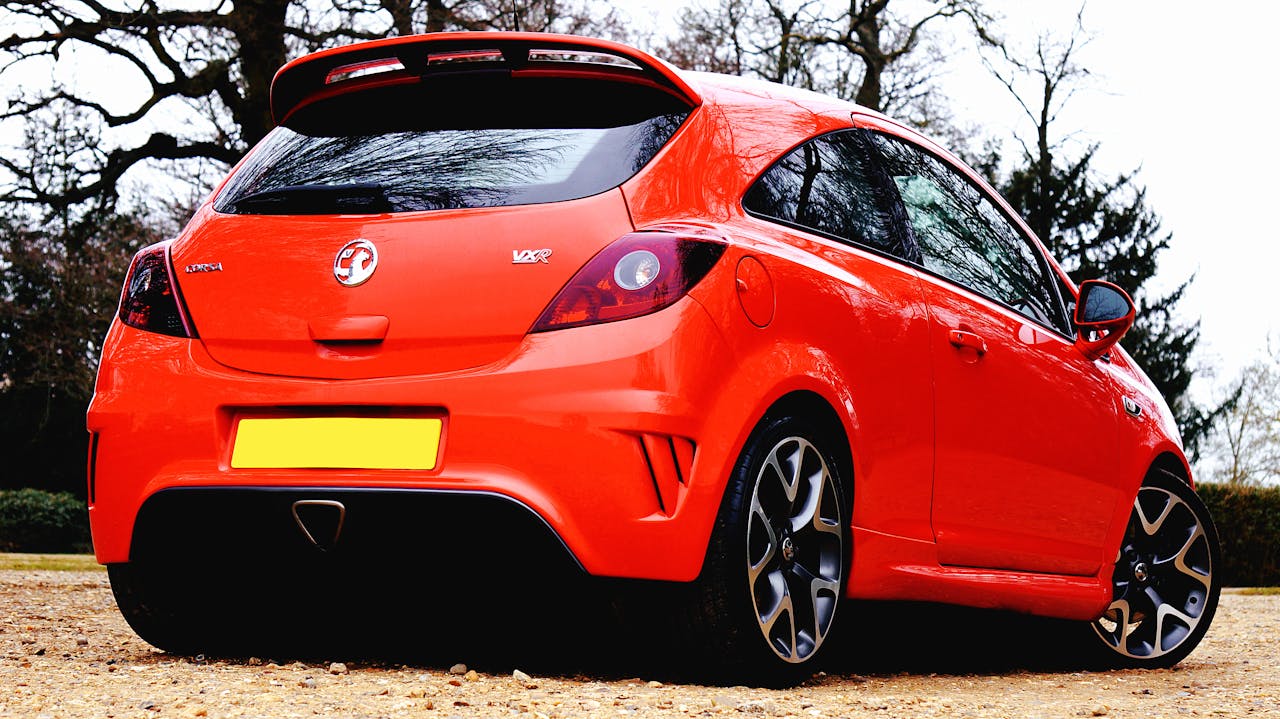
The benefits of used Vauxhall cars depend on the particular car, its condition and your needs. A lower purchase price, a wider choice of older specifications and an established maintenance record can all be useful, but none makes every used example a good buy. Start with evidence about the actual vehicle, then decide whether its advantages outweigh the work and costs ahead.
This guide explains five potential benefits and the checks that make each one meaningful. It covers everyday Vauxhall choices such as hatchbacks, estates and family vehicles without promising universal reliability, cheap insurance or strong resale values. Kent Car Keys provides key-related support; the article is a buying checklist, not a mechanical assessment or a recommendation to purchase a particular car.
Benefit 1: a used Vauxhall can give you a clearer purchase choice
Buying used lets you compare vehicles already built and available to inspect. You can see the exact colour, seats, wheels and equipment rather than ordering from an illustration. That is useful when photographs and trim descriptions do not tell you whether a cabin or boot works for you. Always view the actual car being offered, not another example nearby.
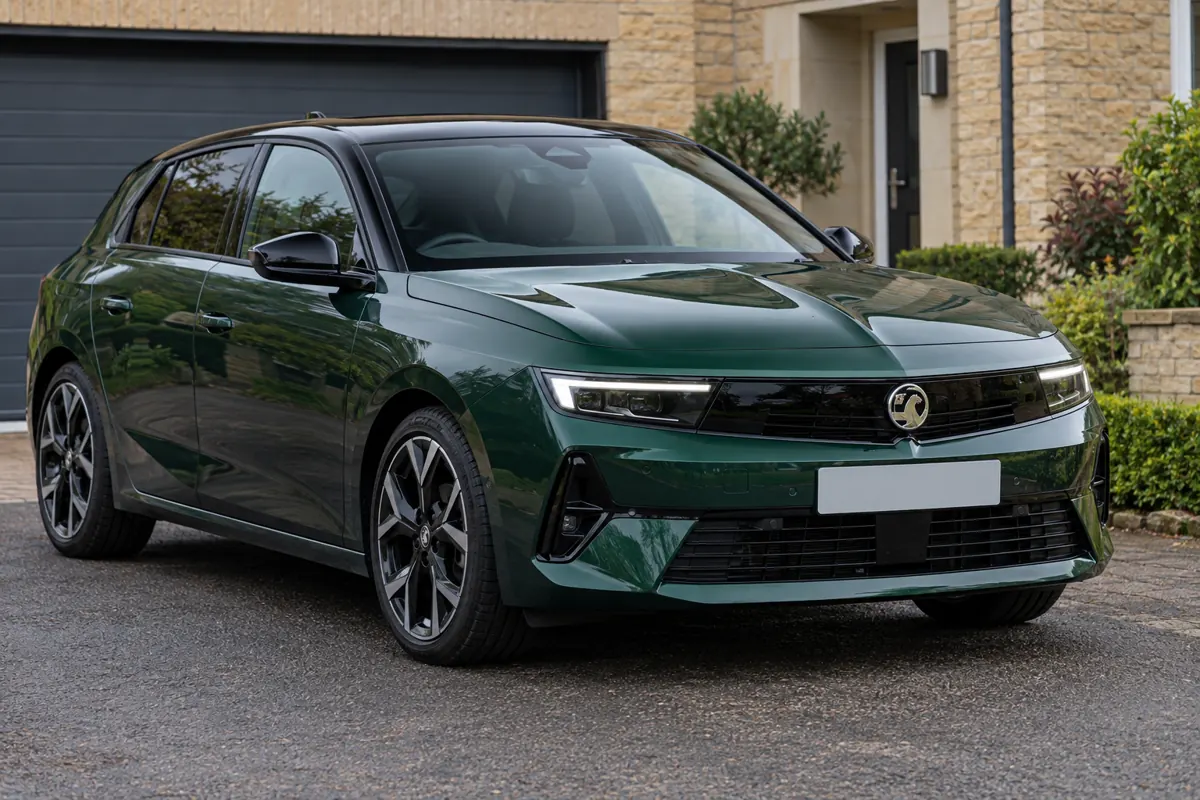
A used Vauxhall may have an asking price within your budget, but the advertised price is only one part of the decision. Include work due, insurance, tax and any missing equipment. A lower price is not a benefit if the used Vauxhall cannot safely do the journeys you need or needs repairs you have not allowed for.
Compare similar vehicles before deciding whether an advert offers value. Match generation, engine, mileage, condition, service record and seller type. A higher price may reflect documented work, included preparation or a different specification; it may also need justification. Ask the seller to explain the differences rather than treating the cheapest listing as the automatic winner.
Benefit 2: older Vauxhall specifications give you more options
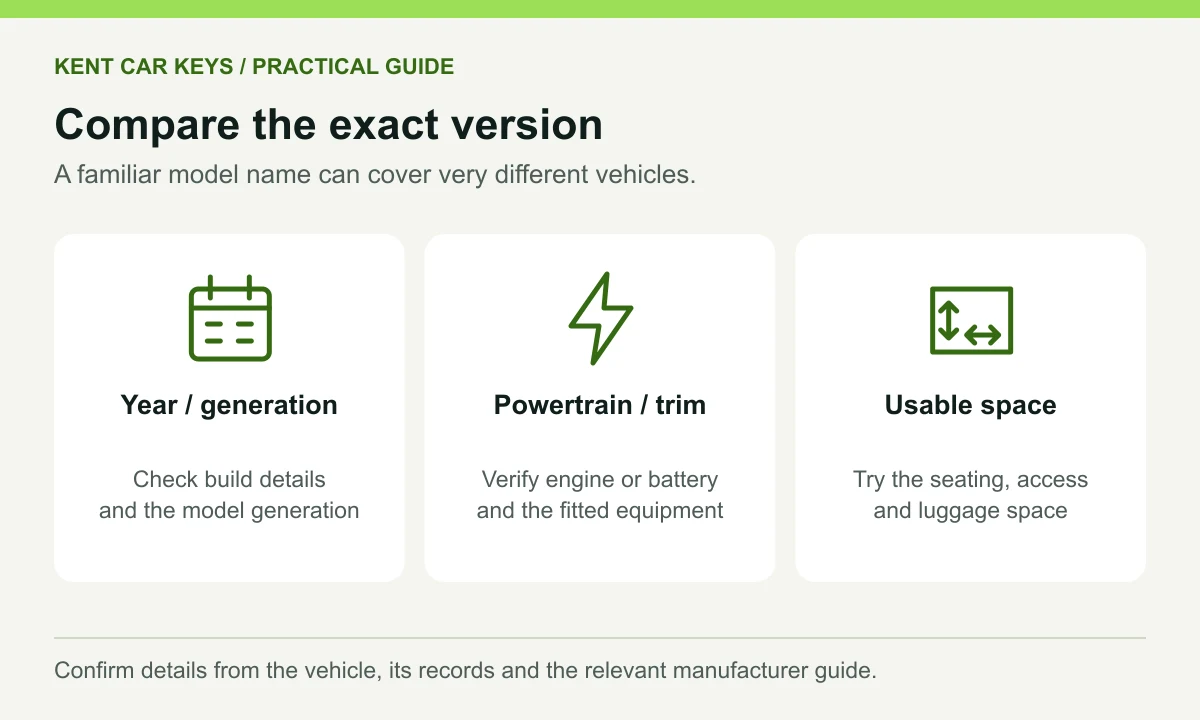
The used market can include body styles, engines and equipment combinations no longer shown in the current catalogue. That may be helpful if you want a familiar control layout, a particular seating arrangement or an estate rather than an SUV. Confirm the exact vehicle details because the same model or trim name can cover several specifications over time.
A used Vauxhall car should be selected for the equipment you need, not the length of its feature list. Check whether air conditioning, parking aids, phone connection and driver assistance are fitted and working. An option shown in a brochure is not evidence that it belongs on every car with the same badge or registration year.
Use Vauxhall’s official manual library for the appropriate vehicle and date. It helps you understand controls and maintenance instructions. Still ask the seller to demonstrate the actual equipment, especially if a function is essential to your use. The correct manual and a working demonstration answer different questions.
Benefit 3: you can inspect an existing ownership record
A used Vauxhall can come with a documented history of servicing and repairs. That record helps you ask more focused questions than a broad claim that a model is reliable. Look for dates, mileage, invoices and the work completed. Check that the paperwork relates to the same vehicle and is consistent with the seller’s explanation.
A full-looking file still needs interpretation. Ask a qualified workshop which maintenance requirements apply to the engine and whether anything is due by age or mileage. A regular oil service may not cover every scheduled item. If a seller says a major component was replaced, ask for the invoice rather than relying on a verbal description.
The benefit is visibility, not certainty. A documented used Vauxhall car can still develop a fault, and a history cannot predict every future expense. Where records are missing, keep that uncertainty in the comparison. You may need further assessment before you can judge whether the asking price fairly reflects the condition and work ahead.
Benefit 4: practical fit can be tested before purchase
You can assess the used Vauxhall’s seating, access and loading arrangements directly. Bring the items that matter if the seller agrees, such as a folded buggy, work case or mobility aid. Sit in the rear behind your normal driving position. Check the effort of getting in and out rather than judging the vehicle entirely from exterior dimensions.
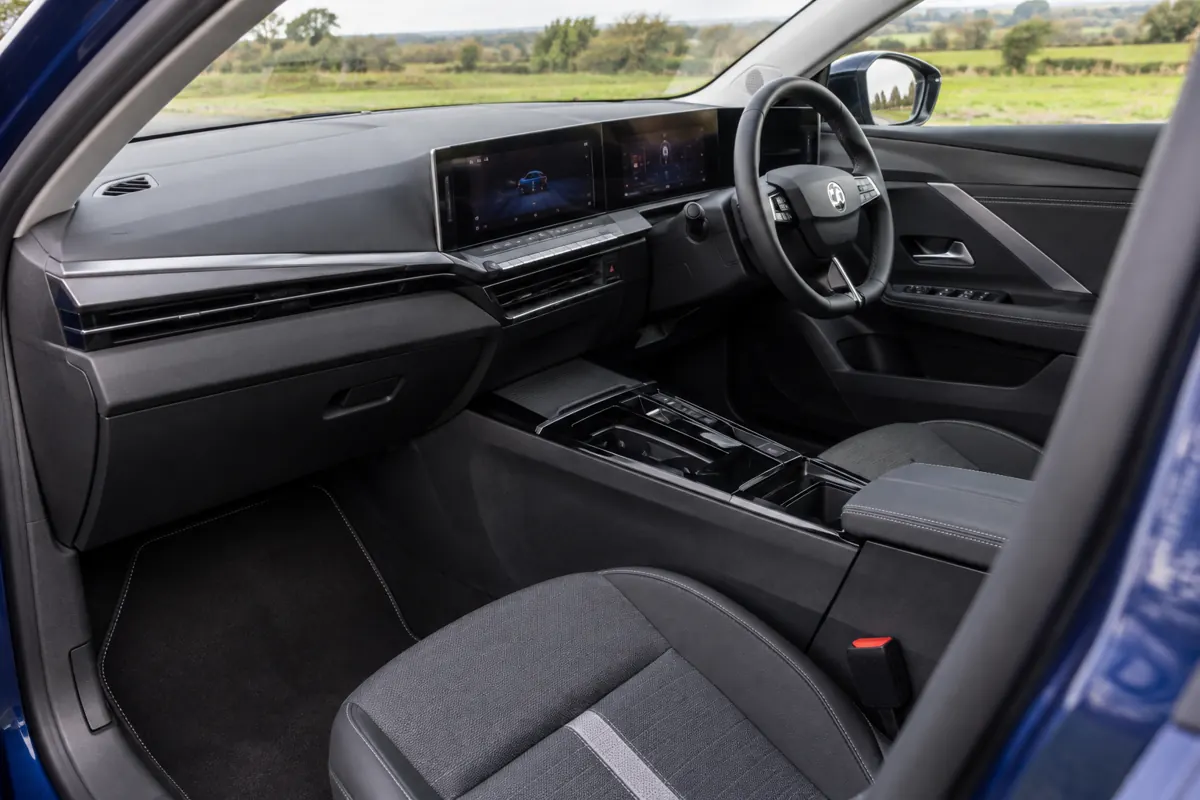
A used Vauxhall hatchback, estate or people carrier may suit very different routines. Think about the trips you make most often, how many passengers travel and the size of your normal parking space. A large boot figure with rear seats folded may be irrelevant if you regularly carry passengers in those seats.
Our Vauxhall Astra hatchback guide shows how to make a model-specific shortlist. Apply the same discipline to other Vauxhalls: compare the actual generation, powertrain and layout. A model name on its own is too broad to establish suitability for a household or business.
Benefit 5: ownership details can be agreed before handover
A viewing gives you the chance to inspect keys, documents and accessories before paying. Ask how many functioning keys are supplied and test them with the seller. Check remote locking, unlocking and starting separately. A second key that turns a lock but does not start the used Vauxhall is not equivalent to a fully working spare.
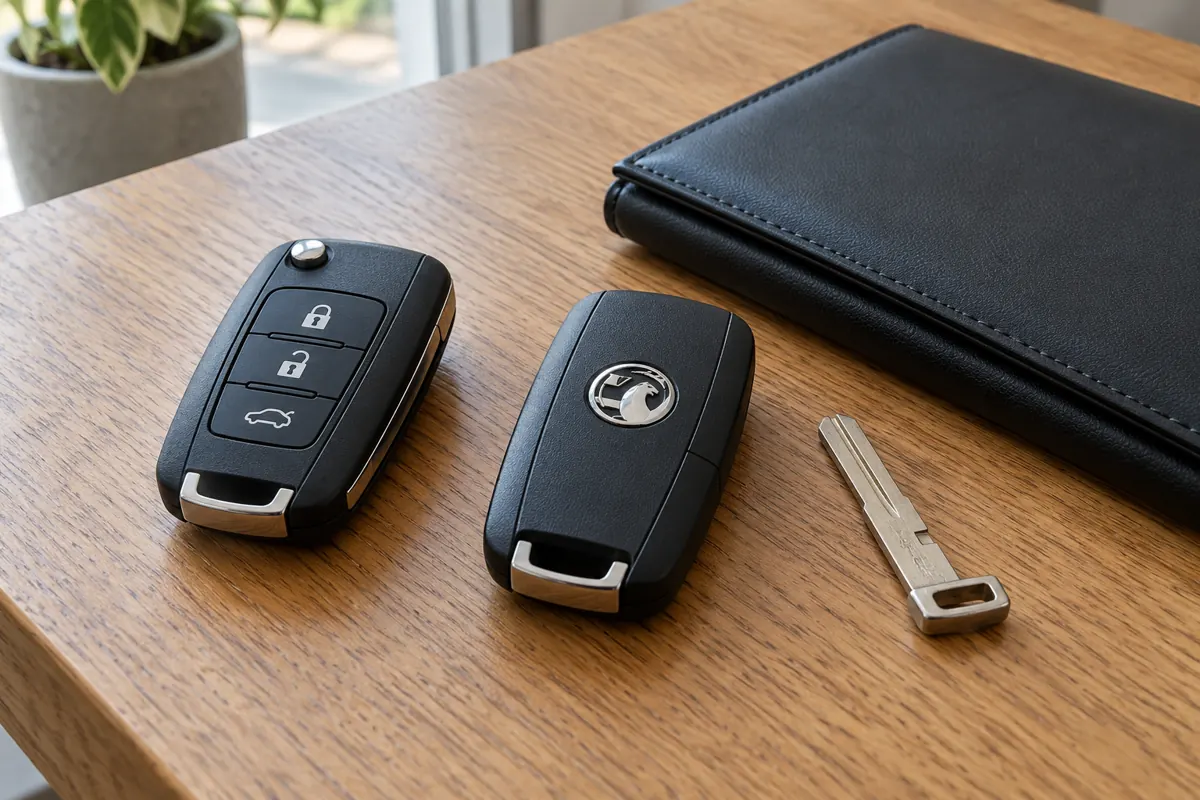
If a used Vauxhall has a damaged shell or intermittent remote, ask whether it has been assessed and what is included in the agreement. Replacing a plastic case is different from replacing electronics or programming a key. Do not assume that an online fob with the same appearance will work with the vehicle.
For key questions, our Vauxhall key replacement hub explains what to provide in an enquiry. Tell Kent Car Keys the model, year, location and whether a working key remains. Ask about compatibility and availability for the exact vehicle; the make name alone does not confirm a supported job.
Assess the benefits of used Vauxhall cars at your viewing
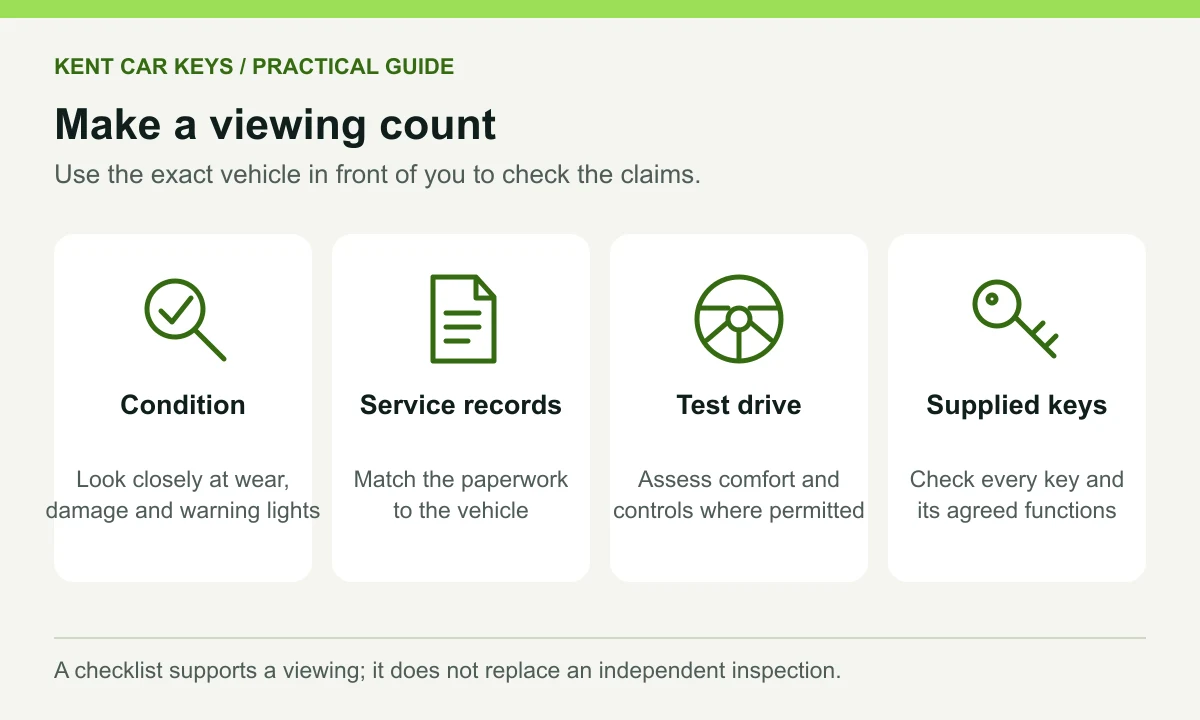
Save the advert with its date and make a short list of factual claims to check. Include the registration, stated mileage, service description, number of keys and any repairs promised. Ask for clarification of vague terms such as “fully loaded” or “needs a simple reset”. A clear list makes it easier to notice an answer that changes between conversations.
Look at photographs critically without treating them as a substitute for inspection. Check whether the pictures show the actual car and whether the interior, wheels and body shape match the written specification. Ask about missing views or warning lights. If details do not agree, resolve them before travelling rather than hoping the viewing will make the discrepancy disappear.
A used Vauxhall car with an attractive price can still be unsuitable if the seller will not answer basic questions. Give yourself time to compare and obtain help. Avoid allowing urgency, another supposed buyer or a temporary offer to replace the checks you planned. The benefit of a wide choice is useful only if you can assess the choices calmly.
Read MOT history alongside the seller’s evidence
Use the official MOT history checker to compare test results and recorded mileage. Ask about recurring advisories and any repairs said to address them. A later pass can be helpful context, but it does not automatically explain every earlier issue or establish the present condition of an unrelated component.
For a used Vauxhall, compare the MOT timeline with servicing invoices and the dashboard mileage. A discrepancy may have an explanation, but it needs one. Keep a note of the question and request supporting documentation where appropriate. Do not turn a single test failure into a universal judgement about an entire model range.
An MOT certificate is not a full pre-purchase inspection or a forecast of reliability. If you need assurance about mechanical or structural condition, discuss an independent assessment and its limits with a qualified provider. A test history and a professional inspection can complement each other; neither should be described as a guarantee against future repair costs.
Inspect condition in daylight and allow enough time
Walk around the used Vauxhall in suitable light and check the visible bodywork, windows, wheels and tyres. Look for damage, uneven wear or repairs that need explanation. Ask questions without dismantling parts or making a diagnosis beyond your knowledge. Significant uncertainty about repairs or vehicle structure is a reason to obtain appropriate inspection advice.
Inside a used Vauxhall car, inspect seat condition, switches, storage areas and signs of water entry. Check the boot floor and seals, and confirm that seat releases work as intended. A freshly cleaned cabin can make a good impression, but it does not establish that all equipment is functional. Test the features you will rely on.
Check the supplied puncture equipment and other agreed accessories. Missing items may be easy to overlook during a short drive and become inconvenient later. Record what will be supplied at collection, including any replacement promised by the seller. Treat accessories as part of the documented handover rather than an assumption based on another car’s equipment.
Choose the powertrain for the journeys you actually do
Older petrol and diesel cars, newer hybrids and electric versions have different ownership requirements. Match the exact powertrain to your routine rather than assuming one fuel type is best for every buyer. Ask a qualified workshop about the specific engine and maintenance needs if you are unsure, particularly where the used Vauxhall will mainly make short trips.
For a used electric Vauxhall, consider charging arrangements and battery documentation as well as conventional condition checks. For a plug-in hybrid, ask how it will be charged in your normal routine. A consumption or range figure quoted for a different version is not a prediction of your own results. Establish which test specification the seller is using.
The Vauxhall electric cars 2025 guide explains how to keep historical specifications separate from current offers. Use the correct model-year information for the used Vauxhall you are considering. Do not copy a current range or battery claim into the assessment of an older vehicle because the name is familiar.
Use a test drive to answer practical questions
Arrange a drive with the seller’s permission and appropriate insurance. Ask about starting from cold if practical, and observe the dashboard before and after starting. A warning deserves an explanation supported by diagnosis. Do not erase a message, disconnect a battery or accept that an unknown fault is harmless just to complete the drive.
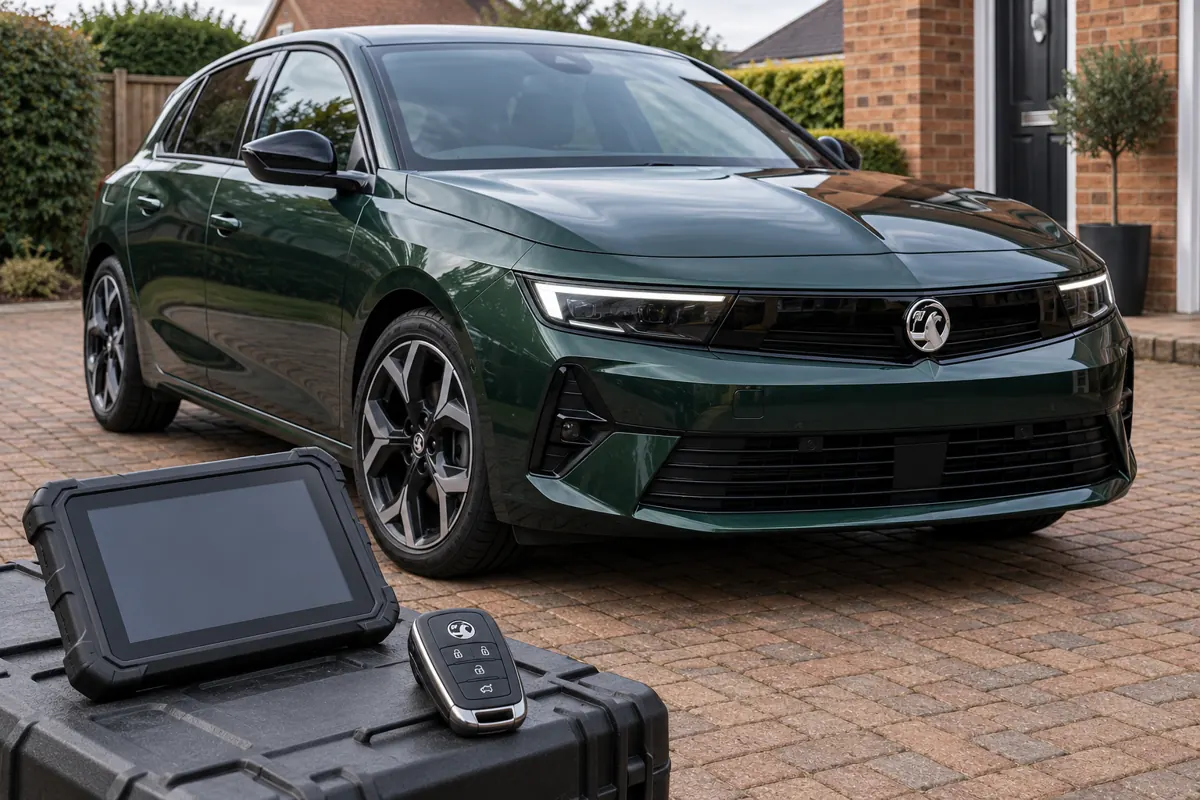
Take a route that reflects ordinary use where possible. Notice steering, braking, gear changes, visibility and unusual noises. Check how easily you can park and operate the controls without distraction. If something feels unsafe, stop and ask for help. A test drive provides observations; it does not make you responsible for identifying the exact failed component.
Comfort varies between drivers and between used Vauxhall examples on different wheels or tyres. Spend enough time in the seat to assess support and reach. If passengers will regularly travel, ask them to try the relevant seats too. A favourable model review cannot tell you whether a particular driving position suits you.
Compare total cost rather than a headline saving
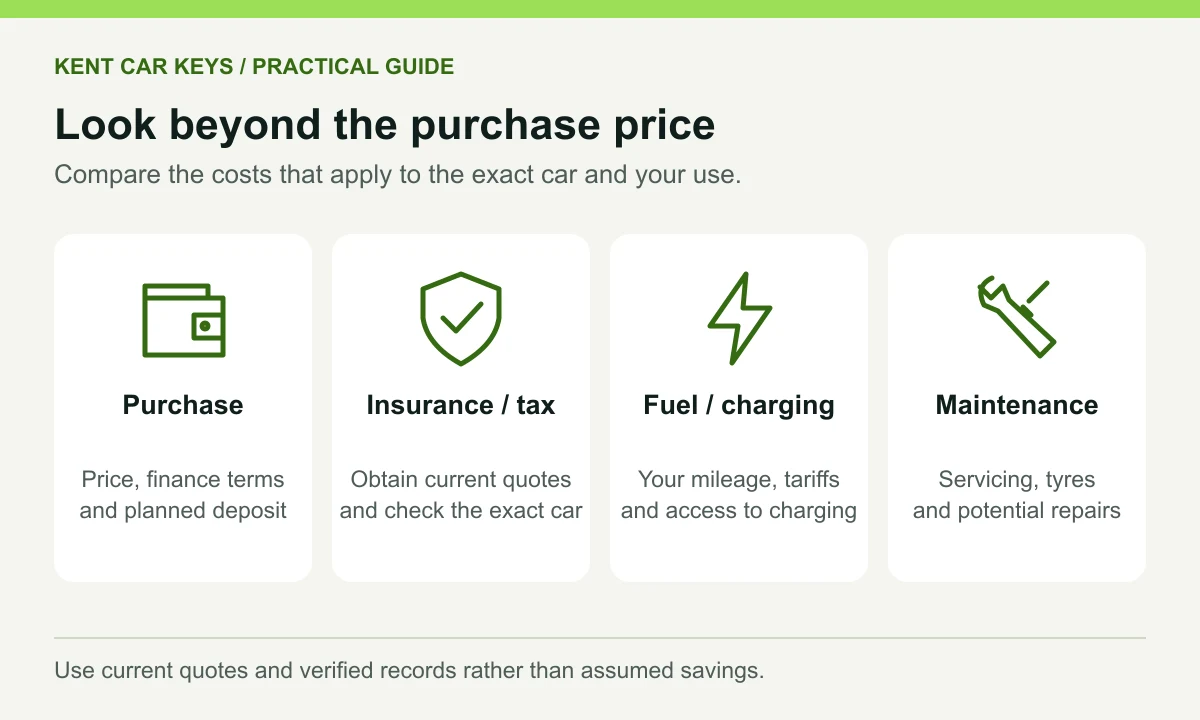
Get an insurance quote for the exact registration and check the current tax and maintenance position. Allow for servicing, tyres and confirmed repairs, not just the purchase price. A used Vauxhall can be affordable to buy yet inconvenient to own if important work has been deferred or the used Vauxhall is poorly matched to your journeys.
If finance is involved, read the full agreement and ask the provider to explain the deposit, term, total payable and any final payment or mileage restrictions. Do not compare monthly figures with different terms as though they were the same offer. This article does not recommend borrowing or predict whether a vehicle will retain a particular value.
Warranty wording also needs attention. Ask what is covered, the exclusions, claim process and any conditions. A warranty label is not the same as evidence that every fault will be repaired without cost. Keep the written terms so you can assess them alongside the vehicle’s condition and the seller’s commitments.
Agree a clear collection and ownership plan
Before collection, list any agreed repairs, accessories and documents in writing. Confirm that the keys demonstrated at the viewing are included at handover. If a fault was to be repaired, ask what was done and keep the relevant paperwork. Resolve missing items while the transaction is still being completed rather than relying on an informal later promise.
Once you own the used Vauxhall, learn its handbook controls and record service or MOT dates. Remove previous users’ phone pairings and follow the appropriate process for connected-service accounts. Do not share your personal passwords with the seller. Keep the vehicle documents securely and make sure everyone who will drive understands the key and locking arrangements.
If the car is supplied with one working key, consider a vehicle-specific spare key enquiry before a loss becomes urgent. Store a spare securely away from the daily set. A considered handover and simple maintenance plan help preserve the practical benefits you identified when comparing used Vauxhall cars.
Know which questions still need professional answers
You do not need to become a mechanic to make a better shortlist. You do need to recognise the limits of a viewing. If a used Vauxhall has a persistent warning, an unexplained noise or unclear repair history, ask a qualified professional to assess it. A seller’s confidence and an apparently smooth short drive do not resolve every question about condition. Write down the observation in plain terms and ask what evidence would settle it.
For example, a used Vauxhall advertised with a replacement engine needs documentation about that work and any related maintenance. An example with a repaired windscreen may raise questions about fitted cameras or sensors. These are prompts for a suitable inspection, not grounds for diagnosing a fault remotely. Keep each concern tied to that vehicle rather than repeating an internet claim about all cars with the same badge.
A used Vauxhall with a missing key also needs a separate discussion from an engine or bodywork issue. Ask whether the missing key is simply unavailable or known to have been lost or stolen, and what the seller has done about it. Electronic authorisation and a physical lock blade are different security matters. The appropriate response depends on the exact system and circumstances; do not assume that buying a new remote automatically addresses both.
If the evidence remains incomplete, you can leave the question unresolved in your comparison. Do not fill it with an estimate presented as a fact. A used Vauxhall may still be worth considering after a proper assessment, or you may decide another car is easier to evaluate. The purpose of checking the five benefits is to support that judgement, not to create a reason to buy regardless of what the inspection reveals.
At the end of a viewing, summarise the essential positives and uncertainties in a few sentences. Include how the used Vauxhall fits your passengers, parking and journeys, the maintenance evidence supplied and the costs you have confirmed. This makes it easier to compare cars seen on different days without allowing the most recent sales conversation to dominate your decision.