
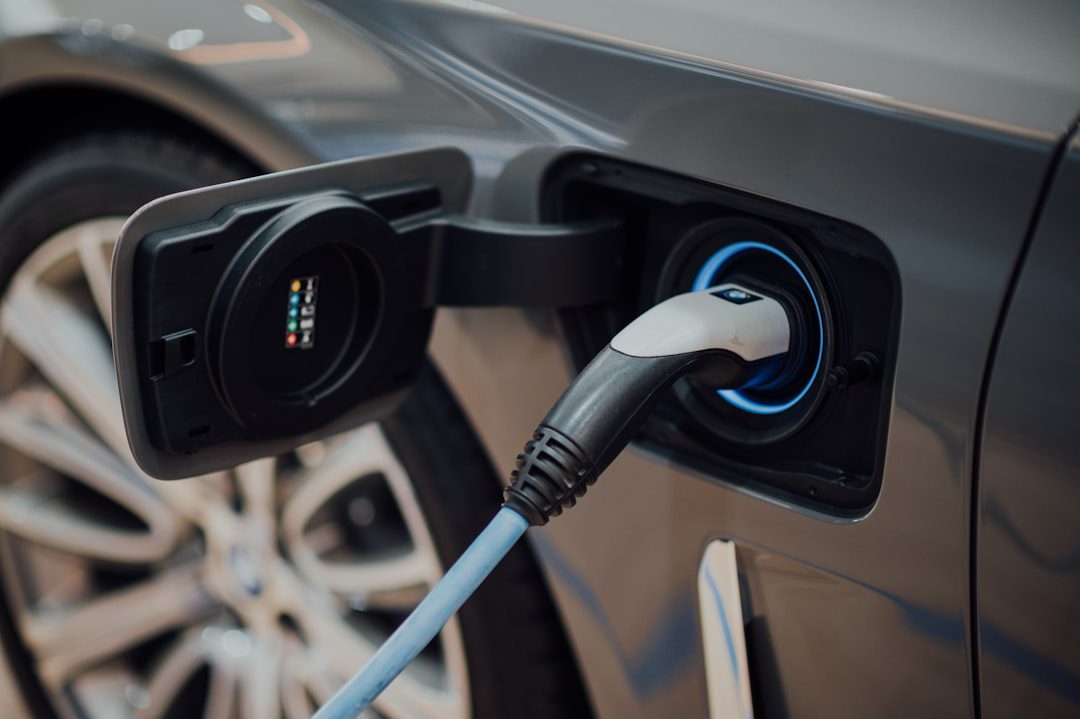
Vauxhall electric cars 2025: a buyer’s guide. Vauxhall electric cars in 2025 covered several different needs, from smaller cars to family SUVs and people carriers. The right choice depends on the size you need, where you can charge and the exact battery and equipment specification. Start with your weekly journeys and parking arrangements, then compare the relevant version rather than choosing by an advertised maximum range alone.
This is a guide to the 2025 model-year landscape, retained for readers comparing those vehicles today. It is not a live stock list or an offer. Model specifications, prices, grants and warranties can change, and a current webpage may describe a later version. Confirm the documentation for the particular vehicle before making a purchase decision.
Understand the Vauxhall electric cars 2025 range
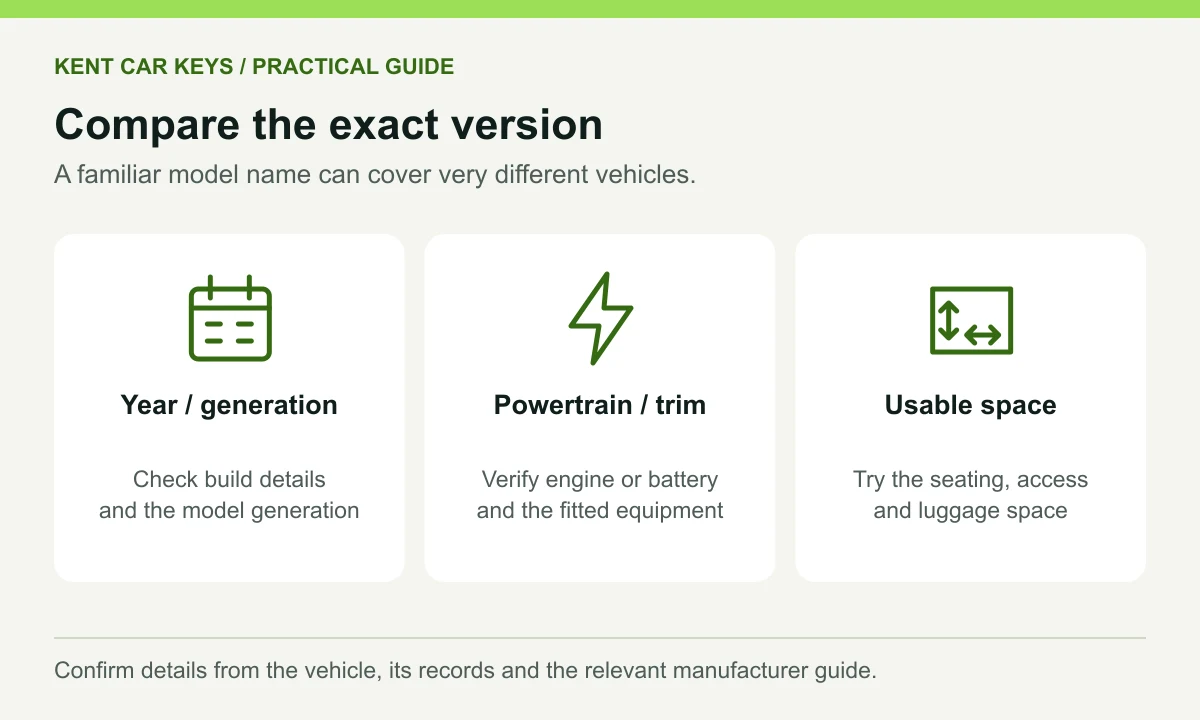
Vauxhall offered electric options across different vehicle sizes, but these were not interchangeable products. A compact hatchback, a larger SUV and a van-based passenger vehicle have different cabin layouts and practical compromises. Build your shortlist by passenger and luggage needs before comparing trim names. This prevents an appealing headline range from distracting you from an unsuitable body shape.
The manufacturer’s 2025 Frontera launch announcement documents that model’s introduction and Vauxhall’s electric range direction at the time. Treat launch details as dated evidence. Later batteries, specifications or offers should be checked separately, not silently added to a 2025 comparison.
For each candidate, write down the model year, battery version, powertrain designation, trim and registration. Ask which charging equipment and cables are included. A seller using “electric” casually may be describing a hybrid or plug-in hybrid, so confirm that the vehicle is the fully electric version you intended to compare.
Corsa Electric: start with small-car practicality
The Corsa Electric is a useful candidate when a smaller hatchback suits your daily routine. Assess the front and rear seating with your normal driving position, and check the boot with the items you regularly carry. Do not assume that an electric version has precisely the same usable space or equipment as a petrol Corsa you have previously driven.
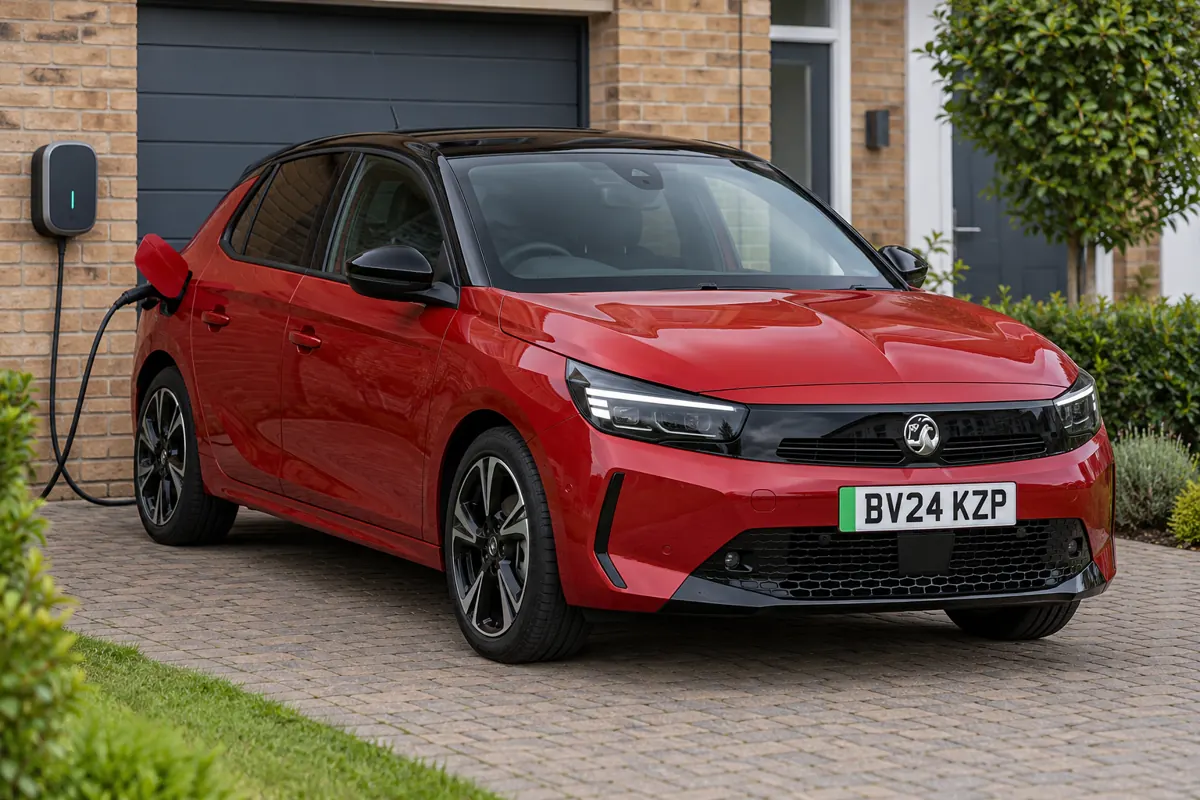
For an older Corsa Electric, identify the battery and motor specification rather than relying on a current brochure. Ask about servicing, software work and battery documentation. A range estimate on the dashboard reflects conditions and recent use; it is not a standalone battery health assessment or a guarantee of what your own journeys will achieve.
Check the charging socket, cable storage and access around your parking space. A small car can still be awkward to charge if the socket is on the wrong side for your normal bay. Also inspect and test every supplied key. Our Vauxhall Corsa key replacement information explains the details needed for a vehicle-specific enquiry.
Mokka Electric: compare the cabin rather than the image
The Mokka Electric may appeal when you prefer its driving position and design, but appearance does not establish passenger or luggage capacity. Sit in the front and rear, check door access and try the boot opening with your normal load. A vehicle described as an SUV should still be assessed against your actual equipment and passengers.
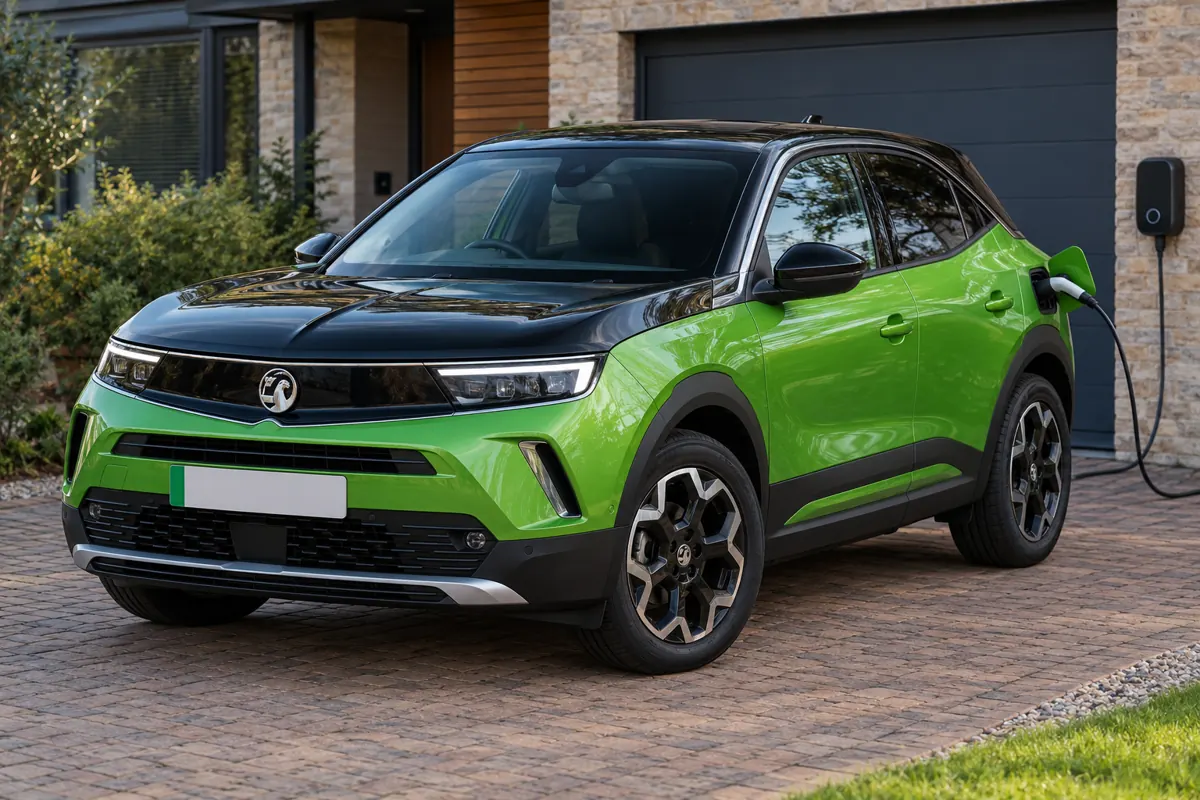
Compare the Mokka Electric version on sale with the correct model-year specification. Battery, equipment and charging changes can make two similar-looking cars different propositions. Ask for the relevant documentation and request a demonstration of features you consider essential. A higher trim name is less useful than confirming that the electric Vauxhall has the functions you need and that they work.
On a test drive, pay attention to visibility, seat support and the way the vehicle responds at ordinary speeds. There is no need to test its maximum performance. If you want support with a supplied or missing key, our Mokka key information provides a starting point; availability must be confirmed for the exact vehicle.
Astra Electric: check hatchback and estate separately
An Astra Electric hatchback and Sports Tourer should be compared as different body styles. Establish whether the seats and boot arrangement meet your needs with passengers aboard. A large capacity quoted with seats folded does not describe the space left for luggage when all those seats are occupied. Try the loading lip and opening shape as well as reading figures.
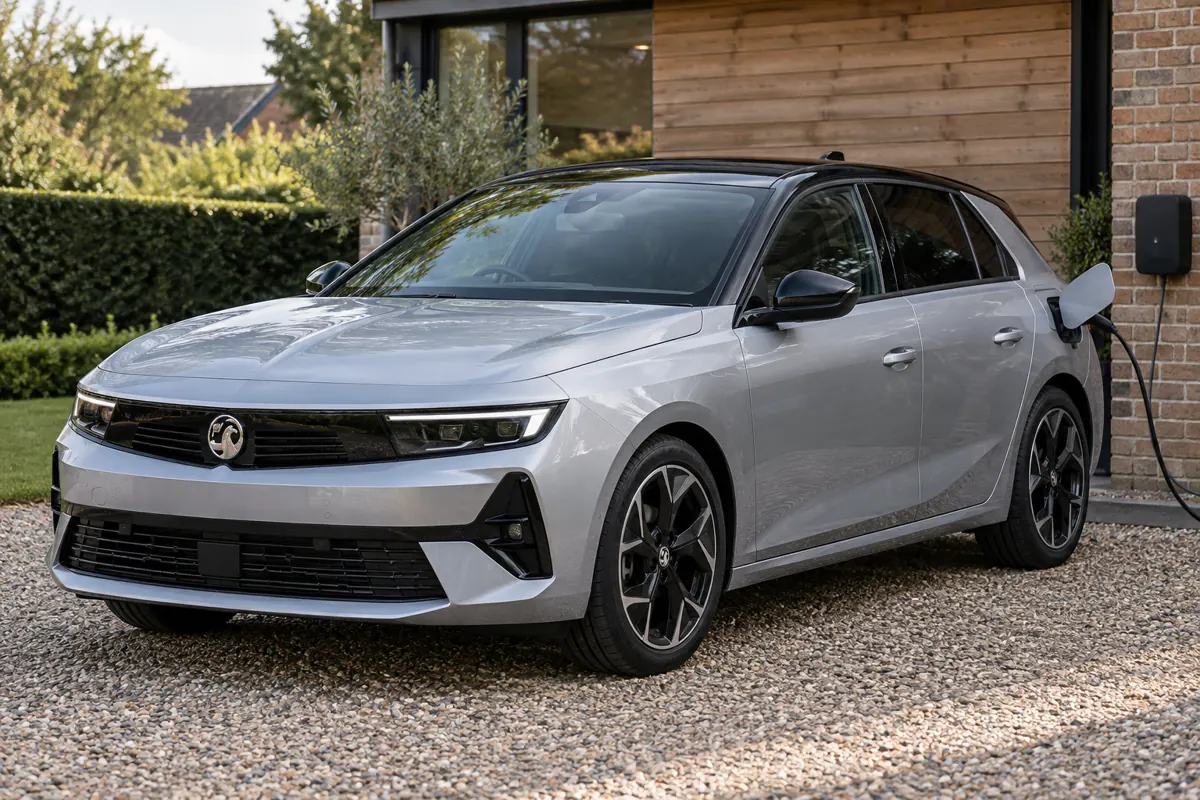
If the Astra Electric is replacing a familiar combustion-engined Astra, avoid assuming that the driving experience and ownership routine will be identical. Consider charging time, cable handling and how you would plan a longer journey. Check the exact equipment and service requirements in the electric Vauxhall documentation, especially for a used example.
Ask the seller to explain the displayed state of charge and any battery condition report. Keep laboratory range, dashboard estimate and independent condition information separate. Our Astra hatchback buying guide covers viewing questions that remain useful alongside the electric-specific checks in this article.
Frontera Electric: confirm battery and seating details
The Frontera Electric entered the 2025 choice of family-oriented vehicles. When comparing examples, distinguish the exact battery version and model year. Do not transfer a range figure from a later extended-range car to an earlier vehicle just because both adverts use the Frontera name. Ask the retailer to identify the specification in writing.
Seating is another detail that requires care. Features and seat counts can vary with powertrain, so a seven-seat claim for a hybrid should not be assumed to describe the electric model. Confirm the physical seating layout, seat belts and documentation on the electric Vauxhall being offered. Test access with your household rather than relying on a general range advertisement.
For family use, assess the load area with the rear seats in their normal positions. Consider where a buggy, shopping and charging cable would fit together. Check how easily passengers enter and leave in a confined parking bay. A practical trial often answers the important questions more clearly than a long list of optional styling features.
Grandland Electric: test larger-car needs honestly
The Grandland Electric belongs on the shortlist when you need the space and layout of a larger vehicle. That extra size also affects parking, manoeuvring and tyre costs. Measure your normal parking space and check room for doors and the boot. Do not assume that cameras or sensors, even when fitted, remove a physical access problem.
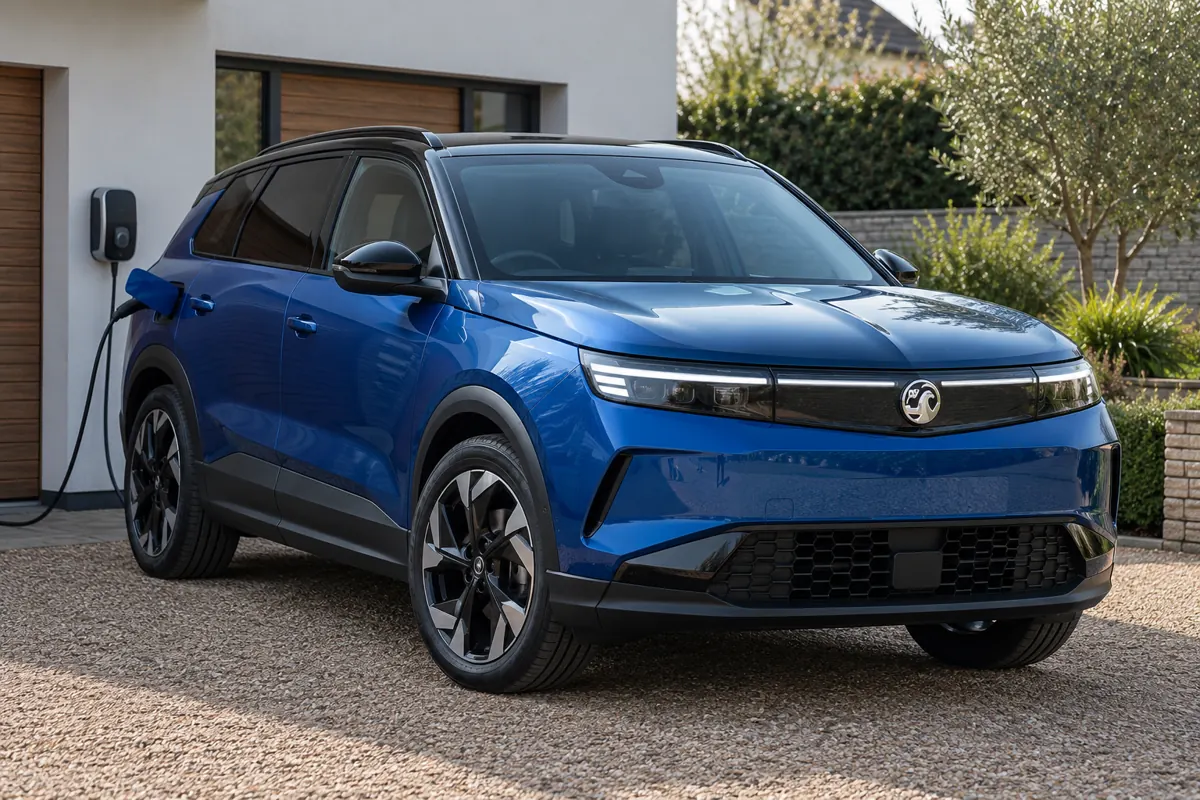
Battery and charging specifications matter particularly when a car is used for longer family journeys. Check the exact version, charging capability and any supporting battery documentation. A maximum range claim should be read with its test conditions. Your motorway speed, temperature, load and use of heating or cooling can change the energy needed for a journey.
Take the passengers who will use the rear seats if practical. Check legroom behind the normal driving position, storage and ventilation controls. Ask the seller to demonstrate the equipment fitted to that vehicle. A Grandland Electric may meet one family’s requirements while being unnecessarily large for another; the badge alone does not settle the decision.
Separate passenger vehicles from electric vans
The original article included van and people-carrier names alongside passenger cars. Keep those uses distinct. A commercial van specification does not automatically describe a passenger version, and a similar body shape does not establish the number of seats, windows, payload or insurance classification. Confirm the vehicle’s registration details and intended use before comparing it with a family car.
For a passenger vehicle based on a commercial platform, test the actual door operation, seating and luggage access. Check whether the rear seats can be moved or removed and whether you can manage that safely. Make sure the layout works with passengers aboard rather than considering only a large empty load space.
For business use, assess loaded journeys, route length, charging access at the base and the effect of downtime. Ask an appropriate commercial vehicle specialist about payload and towing requirements. Do not use a general electric car guide to approve a work vehicle for a particular load or duty cycle.
Plan charging before choosing the car
Write a realistic charging plan using the places you can actually access. If you have off-street parking, ask a qualified installer about suitability and permissions for a home charging point. If you rent or use shared parking, establish the arrangements before assuming that installation is possible. Include the practical route for the cable and any access needs.
If you rely on public charging, check several nearby locations rather than a single map marker. Consider opening hours, payment methods, connector compatibility and what you would do if a site were unavailable. Look at the electric Vauxhall’s charging capability as well as the charger’s advertised output; the slowest relevant limit affects the session.
A useful comparison includes a normal week and an inconvenient one. Think about an unplanned longer trip, a busy charging site or a temporary loss of home charging. You do not need a perfect solution for every imaginable journey, but you should know the alternative before buying. Include charging time in your routine rather than treating it as an invisible cost.
Read range and consumption figures carefully
A published range figure is a comparison under a stated test procedure, not a promise that every driver will achieve it. Confirm which battery and wheel specification the number describes. Avoid mixing a best-case figure from one version with the price or equipment list of another. Keep a comfortable margin for the journeys that matter most to you.
For used Vauxhall electric cars, ask what battery information is available and how any report was produced. A dashboard estimate, a charging receipt and a condition report answer different questions. If a figure is unclear, ask the seller or a qualified specialist to interpret it. Do not diagnose a battery from a photograph of the remaining miles.
On a test drive, focus on ordinary usability: the controls, braking response, visibility and route planning functions where fitted. Try to understand how the vehicle displays charging and energy information. Knowing how to read the electric Vauxhall’s information is more useful than chasing a single consumption result from a short drive in conditions unlike your own.
Compare costs without assuming automatic savings
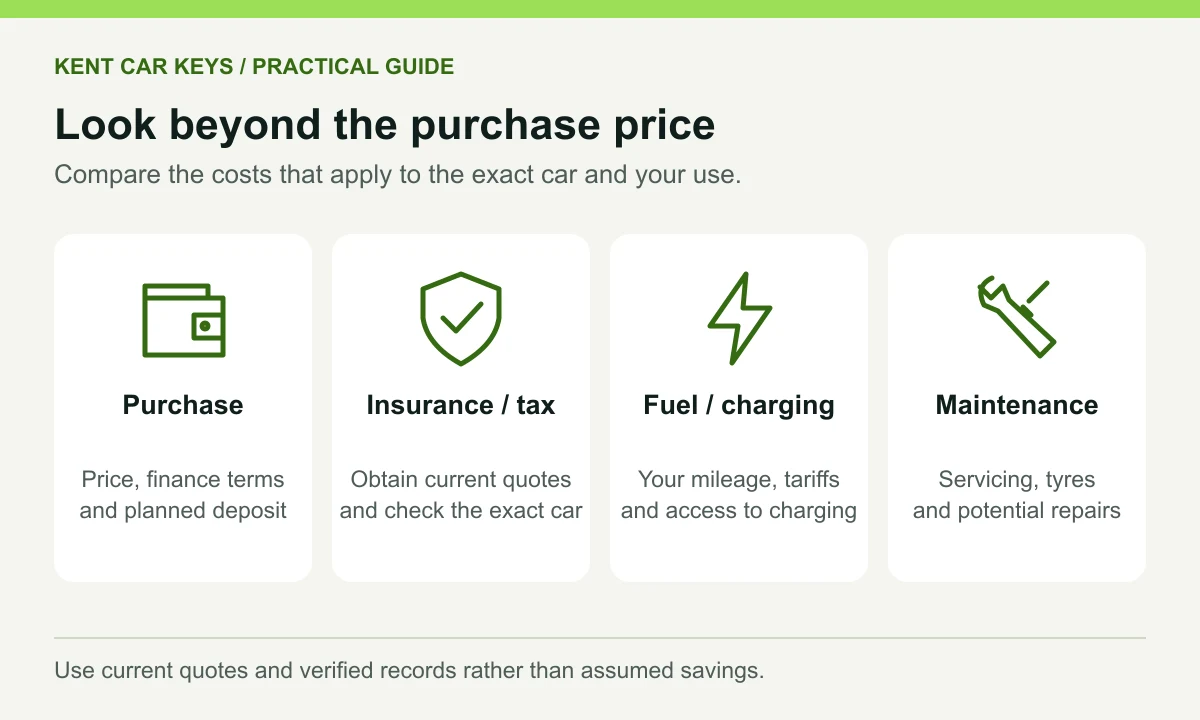
Charging costs depend on the tariff and charging locations you use. Public rapid charging and home charging can produce different running costs, while installation or parking arrangements may add costs of their own. Calculate your own likely pattern rather than accepting a universal claim that electric driving is always cheaper than petrol or diesel.
Obtain an insurance quote for the exact vehicle and check current tax treatment and servicing requirements. Include tyres, charging accessories and any work due. A used electric car may have a lower purchase price than a new one but still need careful assessment of condition and documentation. An attractive monthly payment is not the full ownership cost.
If considering finance, compare the term, deposit, total payable and any final payment or mileage conditions. Ask the provider to explain the agreement rather than relying on an example in an old article. This guide does not recommend a financial product or predict future resale values; those decisions need the current terms and your own circumstances.
Keep 2025 grants and current offers separate
The UK Electric Car Grant was announced in July 2025 with eligibility conditions. That historical event does not mean every electric car sold during 2025 qualified, or that the same conditions apply to a purchase today. Use the current official grant guidance and ask the retailer to identify any eligible version and discount on the written quote.
An old launch offer, manufacturer contribution and government grant are different things. Check the expiry date, vehicle conditions and whether offers can be combined. Do not add a discount to your budget until its application to the actual vehicle has been confirmed. A used car advert should not inherit a new-car incentive simply because its model name appears on a current list.
When revisiting Vauxhall electric cars 2025 adverts, save the date and specification shown. Compare them with the electric Vauxhall now for sale, not a newer configuration. Ask about any change in equipment, battery or included services. Keeping the timeline clear prevents an otherwise useful historical guide from becoming a misleading current price promise.
Check keys, documents and handover equipment
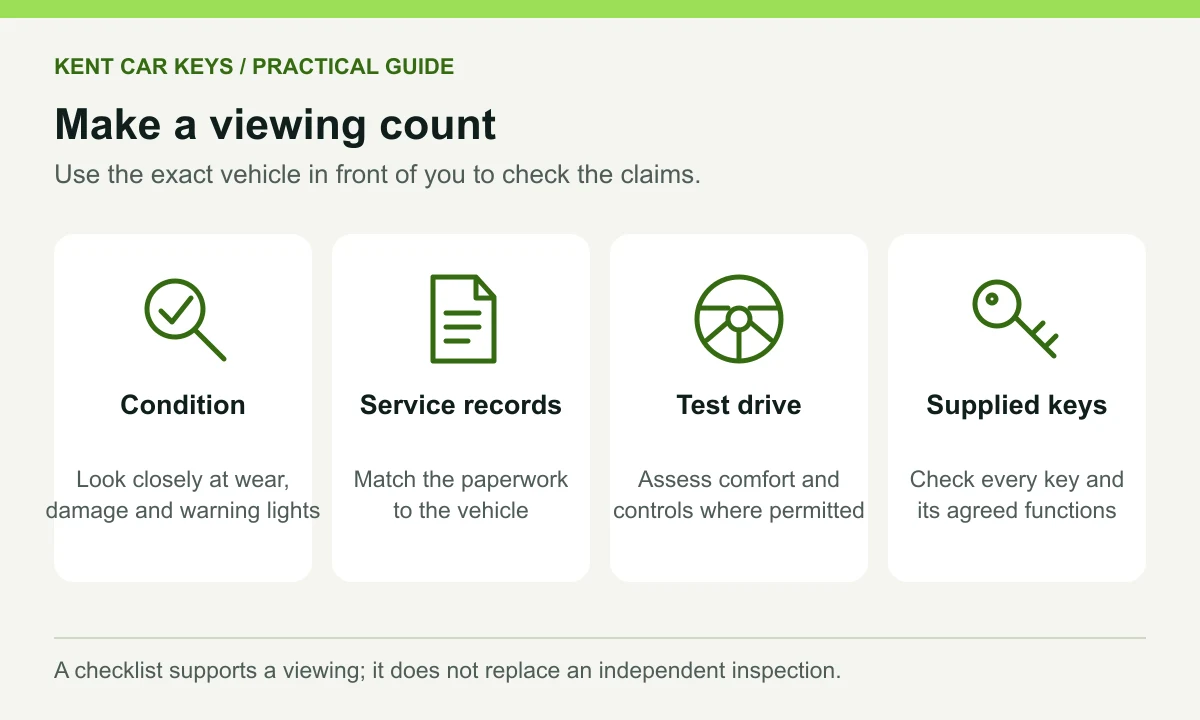
Ask how many working keys are included and test each one for entry, locking and starting. Keyless features should be checked only where fitted, using the correct handbook process. A working remote does not prove every function has been tested. Record missing keys or damaged cases before agreeing the sale, rather than leaving them as an informal promise.
Use Vauxhall’s owners’ manuals to learn the controls for the exact vehicle. At handover, confirm the charging cables and accessories agreed in the sale. Ask the seller to remove its personal accounts and explain how you establish your own access to connected services without sharing passwords.
For key-related support, the Vauxhall key replacement hub explains the information to provide. Kent Car Keys can discuss the next step after you supply the exact vehicle and circumstances; this article does not confirm compatibility for every electric model or provide a high-voltage battery inspection.
Build a shortlist you can explain
Choose the two or three vehicles that meet your essential requirements, then compare the exact versions. Use the same list for each: seating, luggage, parking, charging, documentation, keys and likely costs. Reject a car that misses an essential need even if its styling or advertised range is appealing. A shortlist should reduce uncertainty, not simply collect attractive adverts.
For a used example, ask whether an independent inspection would be appropriate and make clear which aspects it covers. A conventional vehicle inspection and specialist battery assessment are not automatically the same service. Keep unanswered questions visible until someone qualified has addressed them. Avoid allowing a reassuring sales phrase to replace evidence.
The best Vauxhall electric choice is the vehicle that fits your actual routine and has a clear, supported specification. Use this 2025 guide to understand the model names, then verify the electric Vauxhall, dates and terms involved in your own purchase. If a supplied key is unreliable, raise that specific issue before collection rather than treating it as an unavoidable part of electric ownership.
Check the practical details on an ordinary day
Before a final decision, walk through the entire routine you expect to follow with the electric Vauxhall. Start with getting into the electric Vauxhall, loading passengers and bags, then connecting and storing the charging cable. If you have reduced mobility, check the reach, grip and lifting effort involved rather than relying on an image of the charging port. Ask for a demonstration in the actual parking arrangement where possible.
Check how the vehicle communicates a charging problem and what the handbook says to do next. Keep the provider’s contact details and any breakdown terms accessible. A charging fault, a depleted high-voltage battery and a key recognition problem are different issues, even if each prevents an intended journey. Do not attempt electrical repairs or force a connector when the release procedure is unclear.
If buying an electric Vauxhall for shared use, make sure every driver understands the charging plan and can use the supplied keys and controls. Agree where the cables and spare key will be stored. Keep the documents in a secure place and record any service or inspection dates. These small practical arrangements make the specification comparison useful after the sale, when the vehicle needs to fit into everyday life.